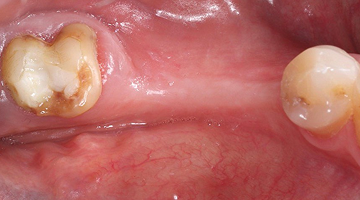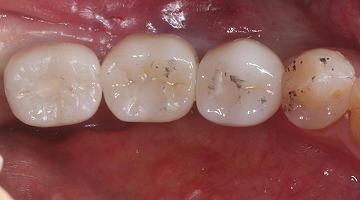
ضرس طفلة مصاب بنقص التمعدن: لماذا لم نخلعه؟ متابعة ست سنوات ونصف
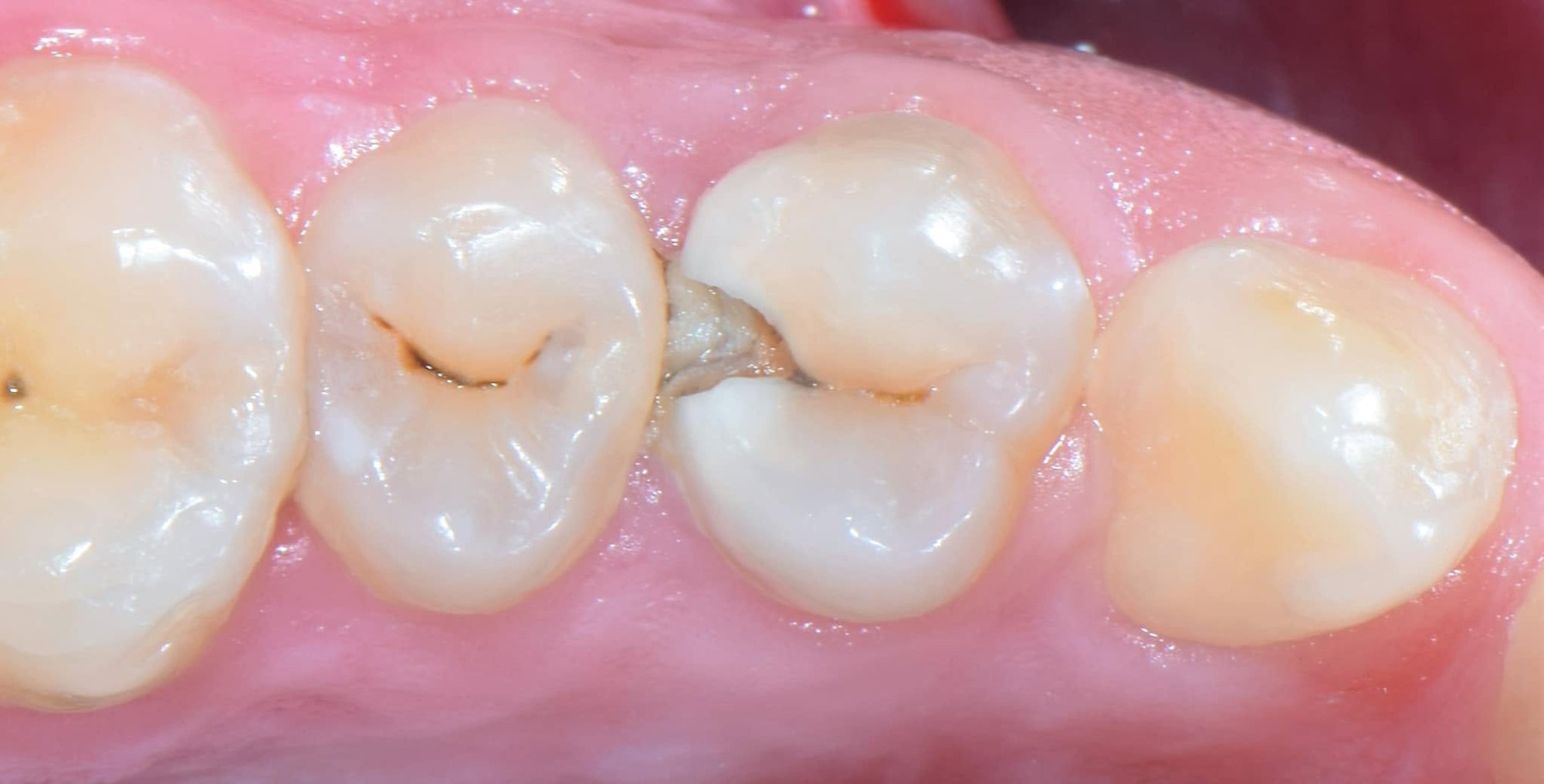
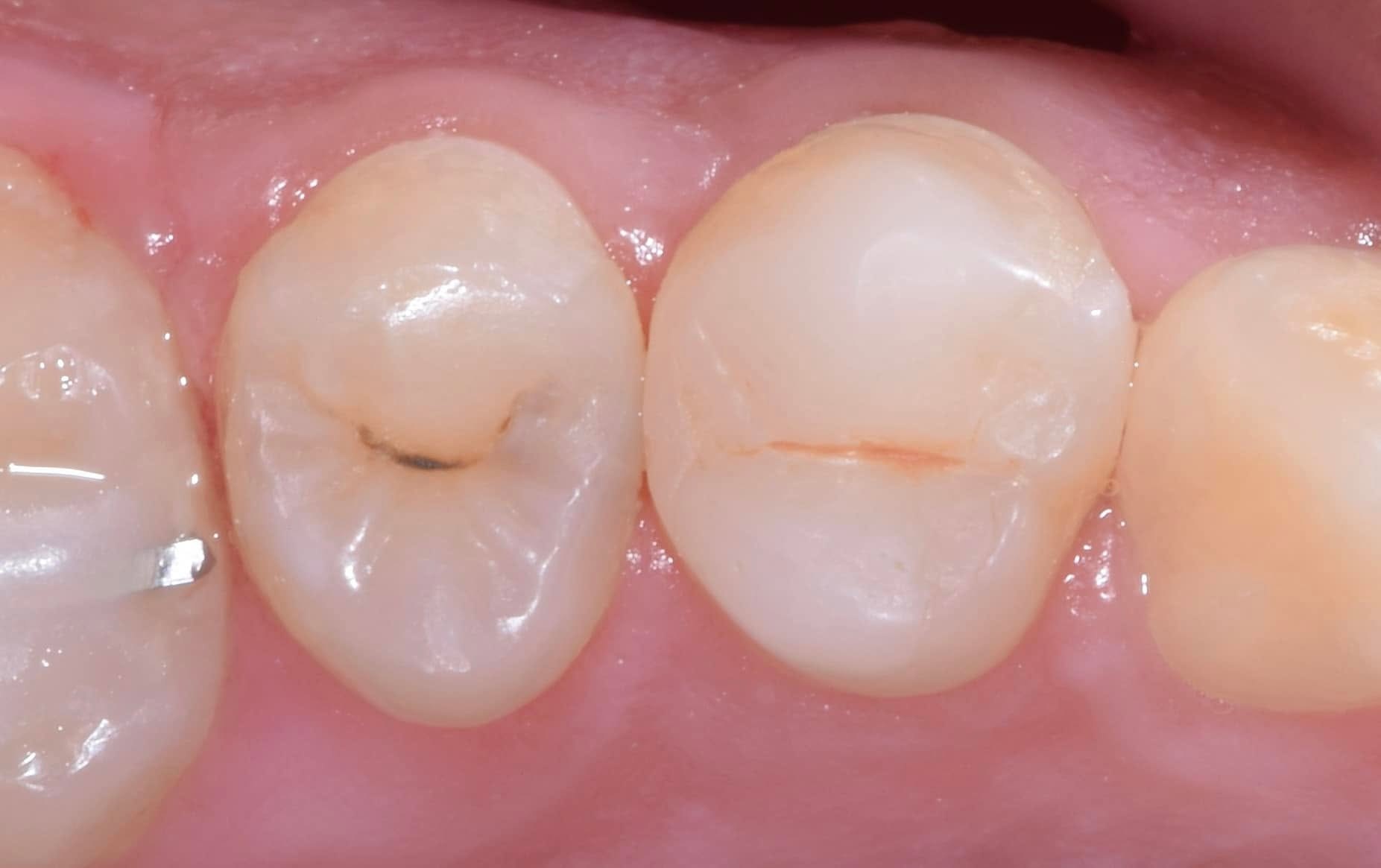
ضرس دائم أول مصاب بنقص تمعدن المينا (MIH) عند طفلة في التاسعة والنصف. كان الخلع هو الحل الأسهل، لكننا اخترنا ترميمه بحشو مباشر، وما زال الضرس موجودًا وسليمًا وهي في السادسة عشرة.
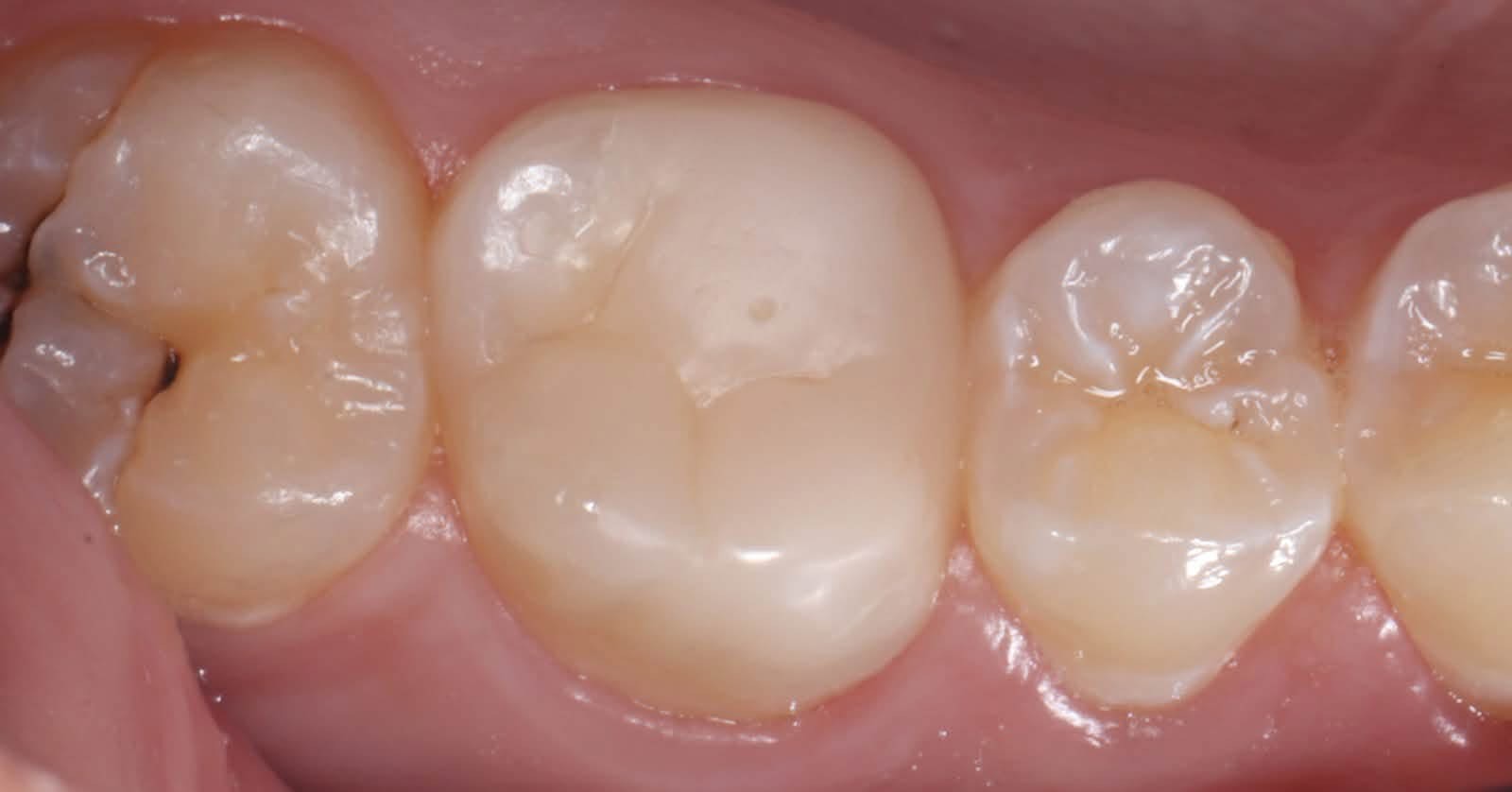
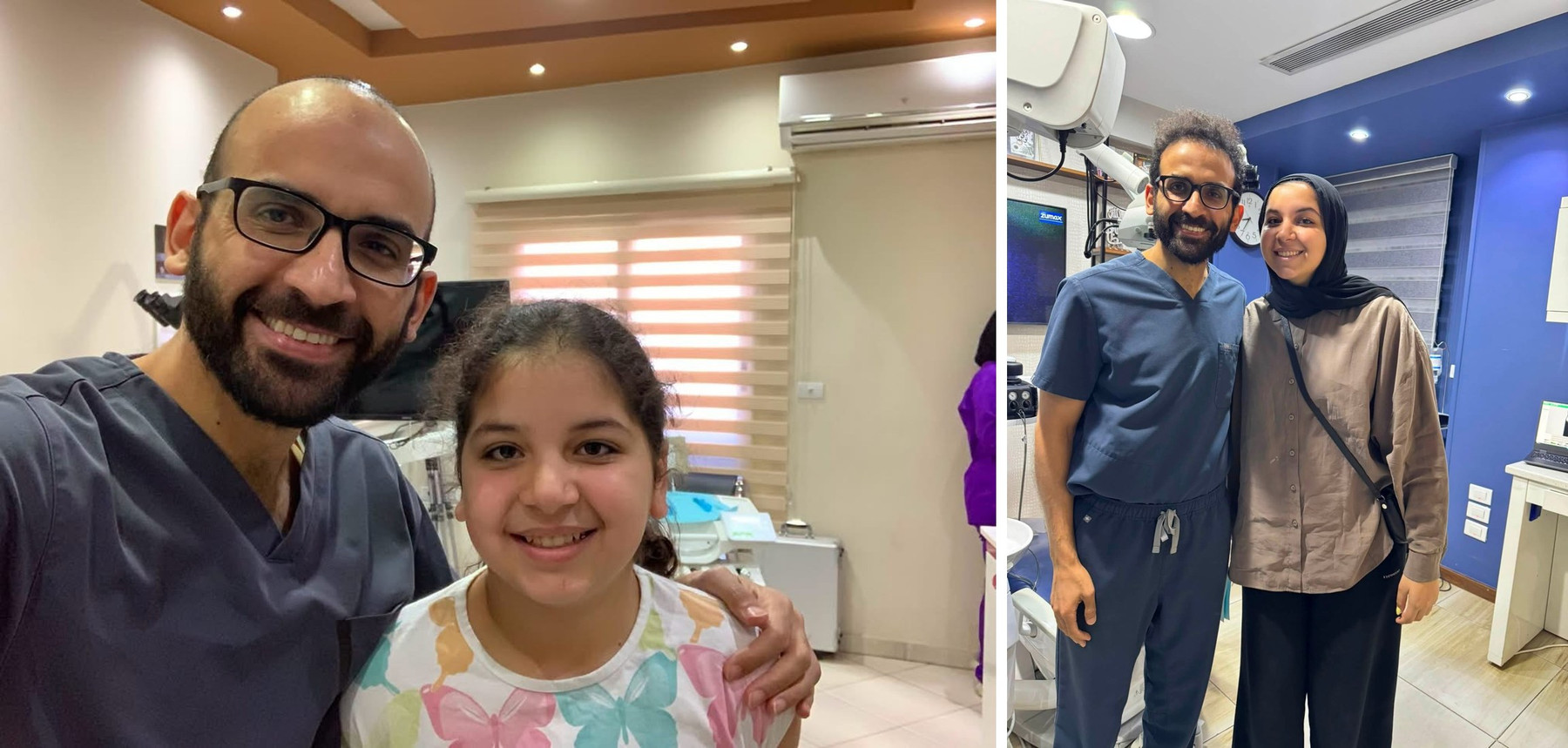
ياسمين: من التاسعة والنصف إلى السادسة عشرة
ياسمين ابنة أخي. عندما بدأنا علاجها كانت في التاسعة والنصف، واليوم عمرها ستة عشر عامًا.
كان ضرسها الدائم الأول العلوي مصابًا بما يسمى «نقص تمعدن الأضراس والقواطع» (MIH): المينا فيه ضعيفة ومتكسّرة منذ تكوينه، والسن حساس ويتآكل بسرعة.
القرار الأسهل كان الخلع
في هذا العمر تحديدًا، يقول كثير من الأطباء: لماذا لا نخلع الضرس الآن، ونترك الضرس الثاني يتحرك ويأخذ مكانه مع الوقت؟
والعلاج عند الأطفال ليس سهلًا أصلًا: الطفل يحتاج إلى صبر وتعاون، والعزل صعب، والحصول على نتيجة يمكن الاعتماد عليها يحتاج إلى خبرة.
اخترنا الطريق الأصعب: أن نحافظ على السن
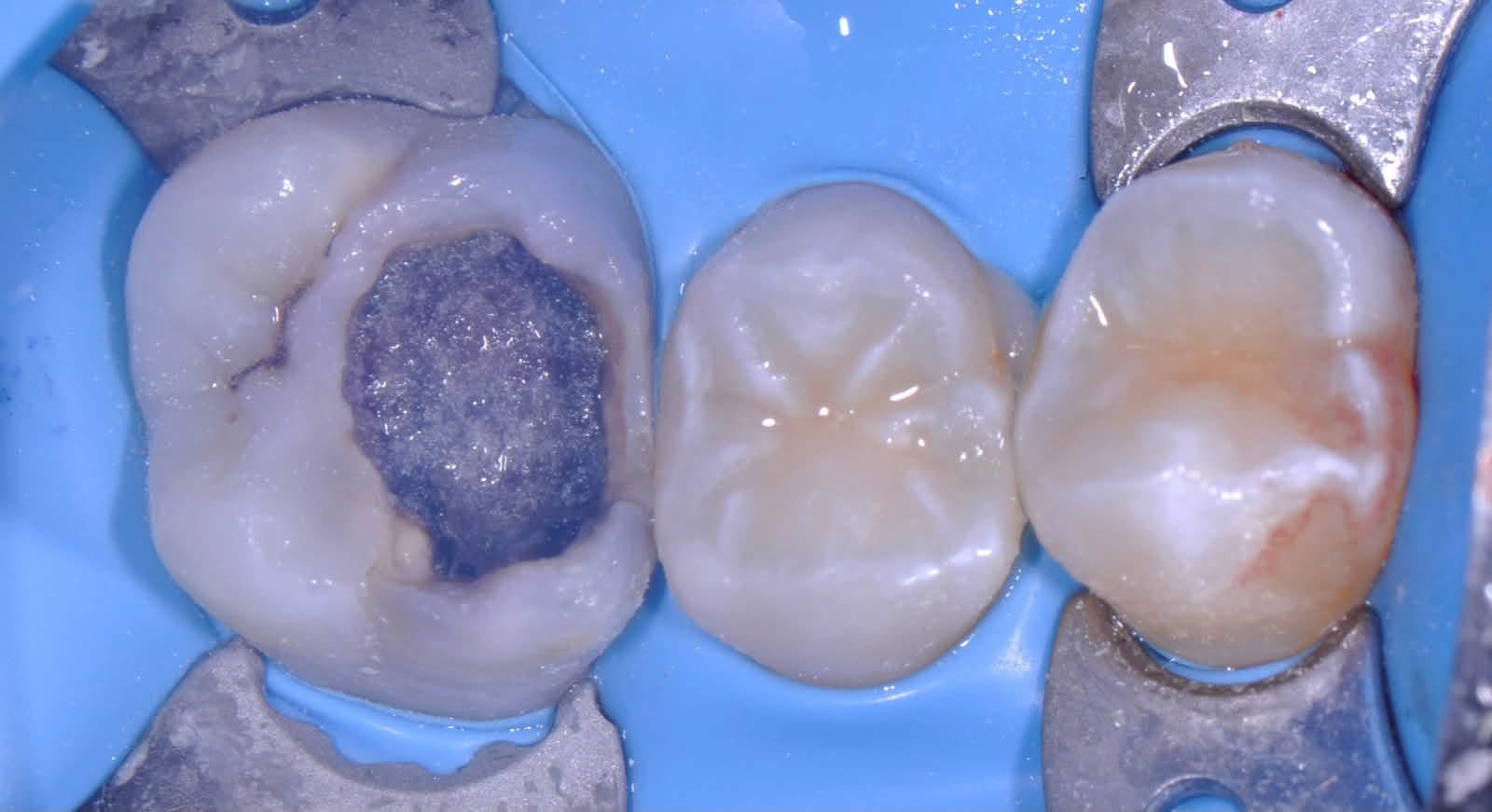
كان التسوس عميقًا حتى وصل إلى العصب في نقطة صغيرة. بدل علاج العصب أو الخلع، غطّينا هذه النقطة بمادة حيوية (MTA) تساعد العصب على الالتئام وتحافظ عليه حيًّا، ثم رمّمنا الضرس بحشو تجميلي مباشر في العيادة، دون تلبيسة ودون خلع.
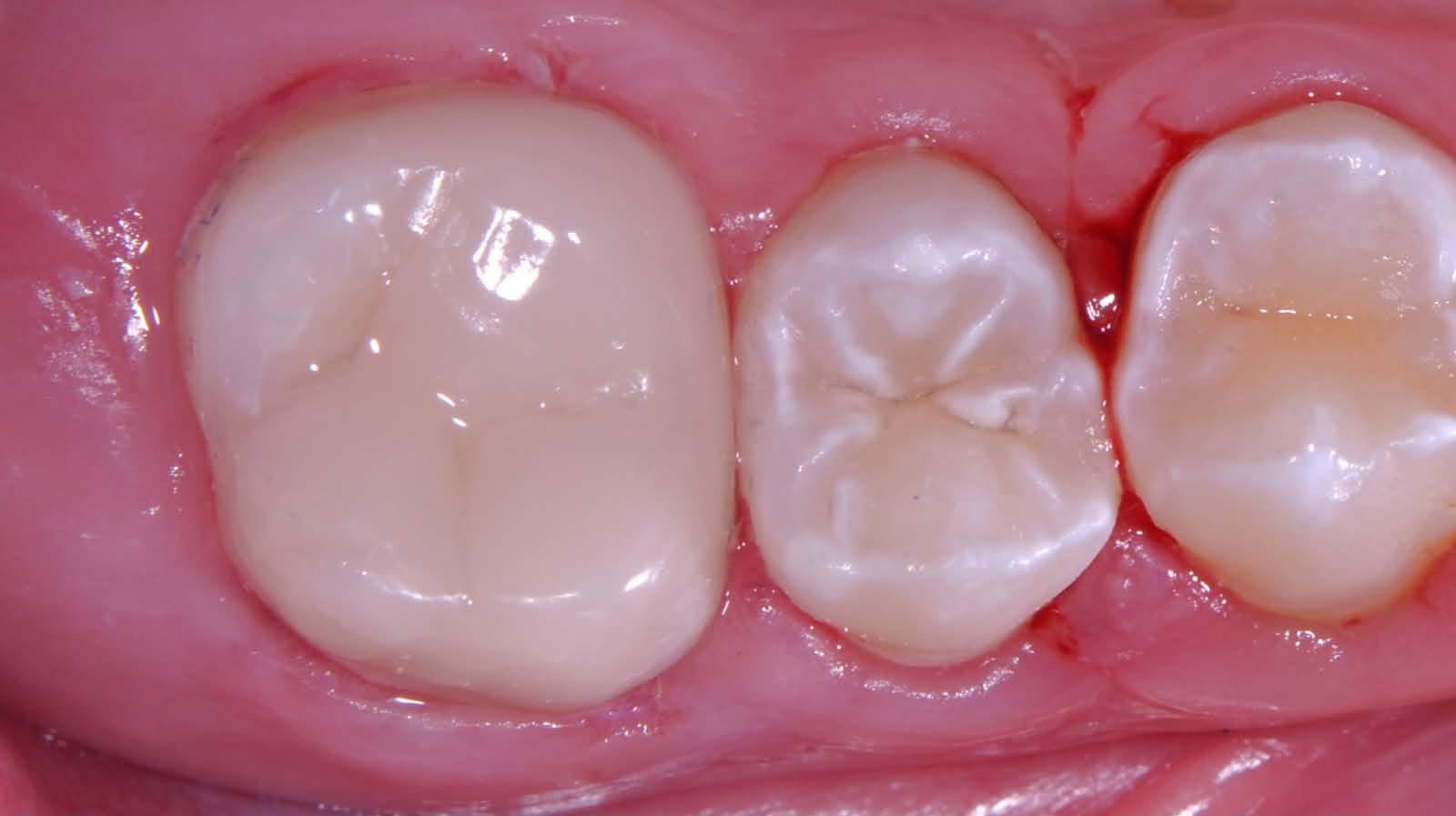
واليوم، بعد ست سنوات ونصف، ما زال الضرس موجودًا ويؤدي وظيفته، وياسمين في السادسة عشرة بأسنانها الطبيعية.
لماذا يهمنا هذا؟
السن لا يصبح «غير قابل للعلاج» لمجرد أن علاجه صعب. ومع تطور مواد اللصق والحشو والتكبير، أصبح من الممكن إنقاذ أسنان كان خلعها في الماضي هو الحل الوحيد.
أسئلة شائعة
- ما هو نقص تمعدن الأضراس والقواطع (MIH)؟ عيب في تكوين المينا يصيب الأضراس الدائمة الأولى وأحيانًا القواطع، فتظهر بقع بيضاء أو صفراء أو بنية، ويصبح السن حساسًا وسريع التكسر.
- هل يجب خلع الضرس المصاب عند الطفل؟ ليس دائمًا. الخلع خيار في الحالات الشديدة جدًا، لكن كثيرًا من هذه الأضراس يمكن ترميمها والحفاظ عليها.
- هل وصول التسوس إلى العصب يعني علاج عصب أو خلعًا؟ ليس دائمًا عند الأطفال والشباب. إذا كان العصب سليمًا، يمكن تغطيته بمادة حيوية والحفاظ عليه حيًّا.
- هل الحشو يتحمل في ضرس مصاب بـ MIH؟ نعم، إذا تم بعزل جيد وتقنية لصق صحيحة، مع متابعة دورية.
التفاصيل الإكلينيكية للأطباء
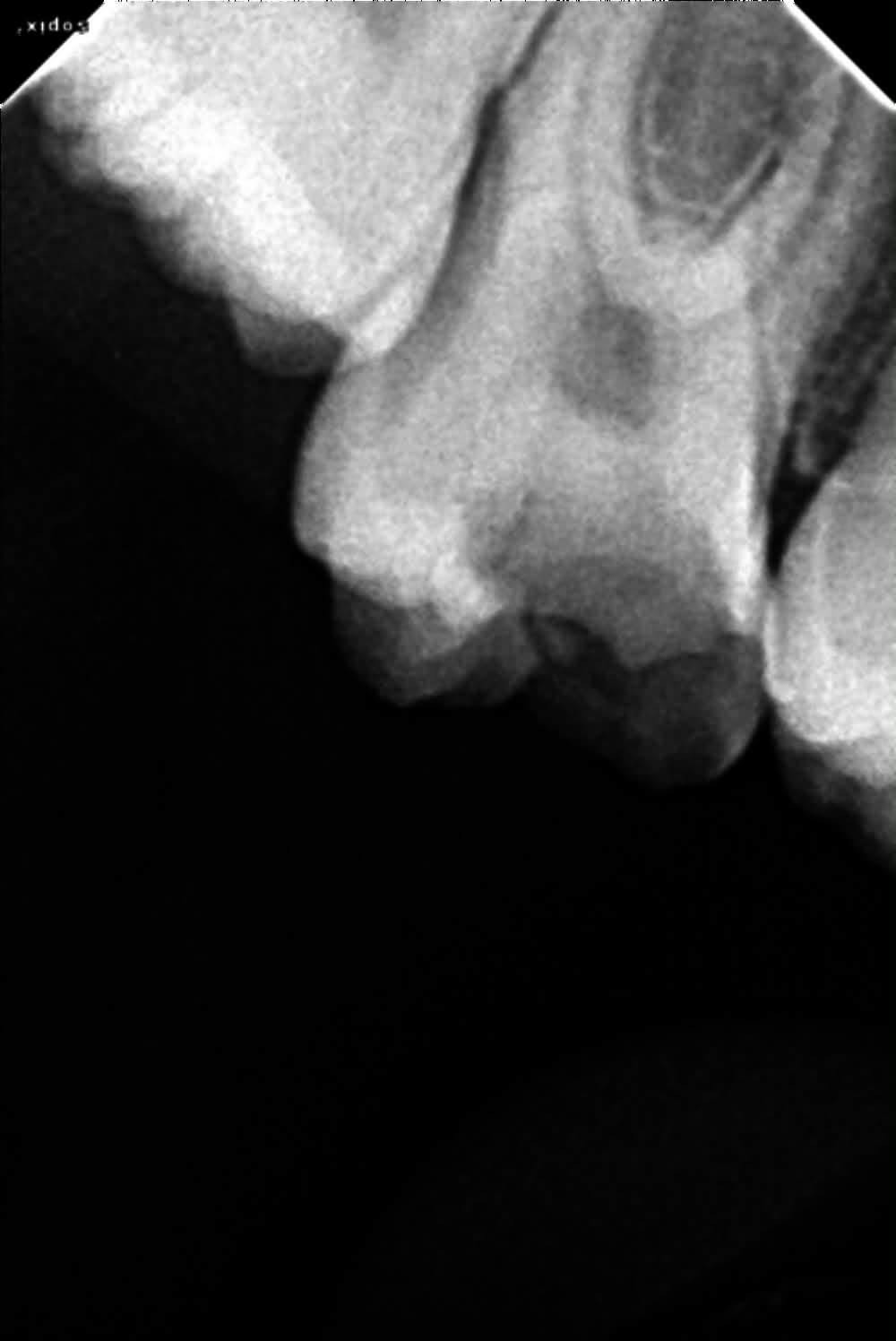
1 Pre-operative radiograph: deep lesion in an MIH-affected first permanent molar 2 Rubber dam isolation, caries and hypomineralised enamel 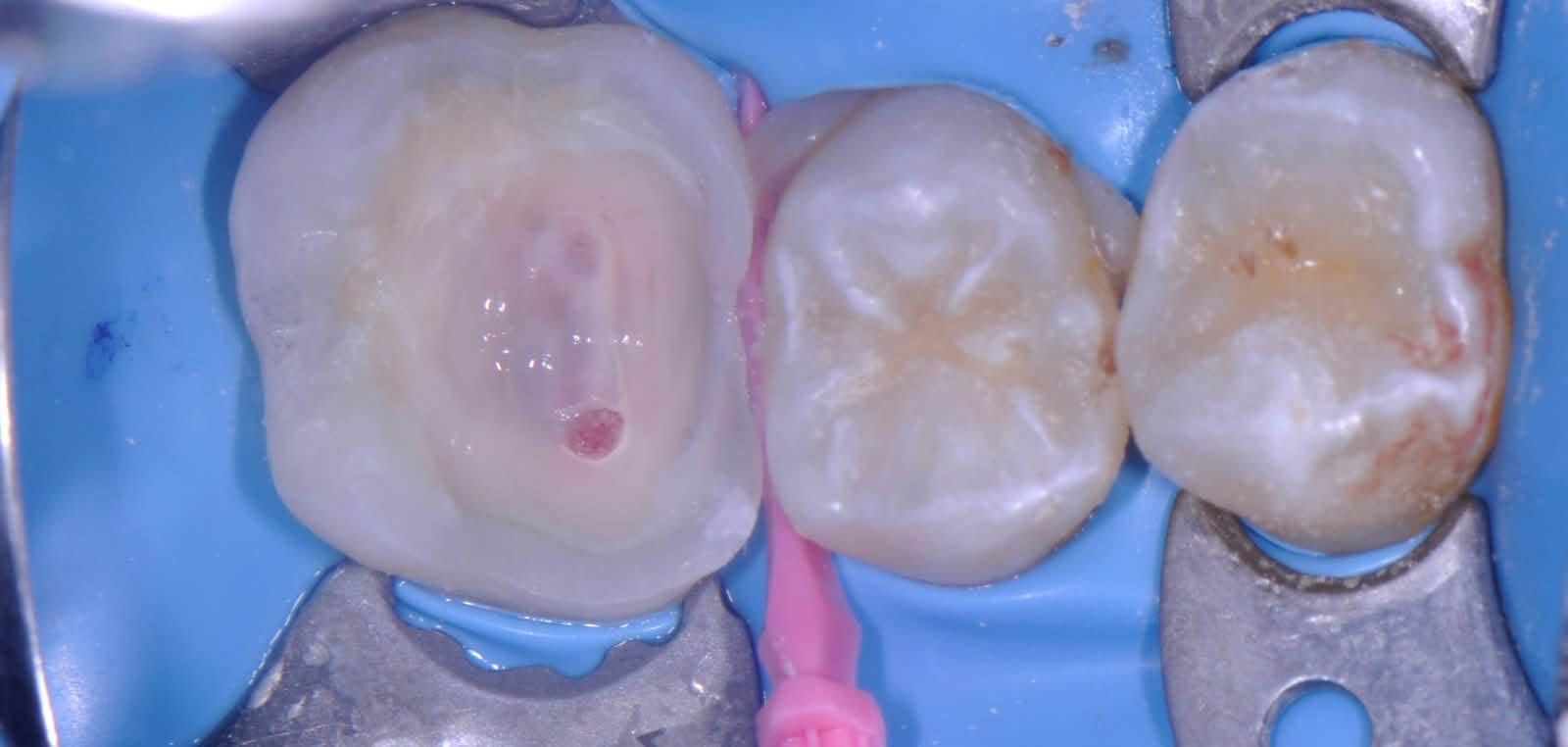
3 After caries removal: small pulp exposure 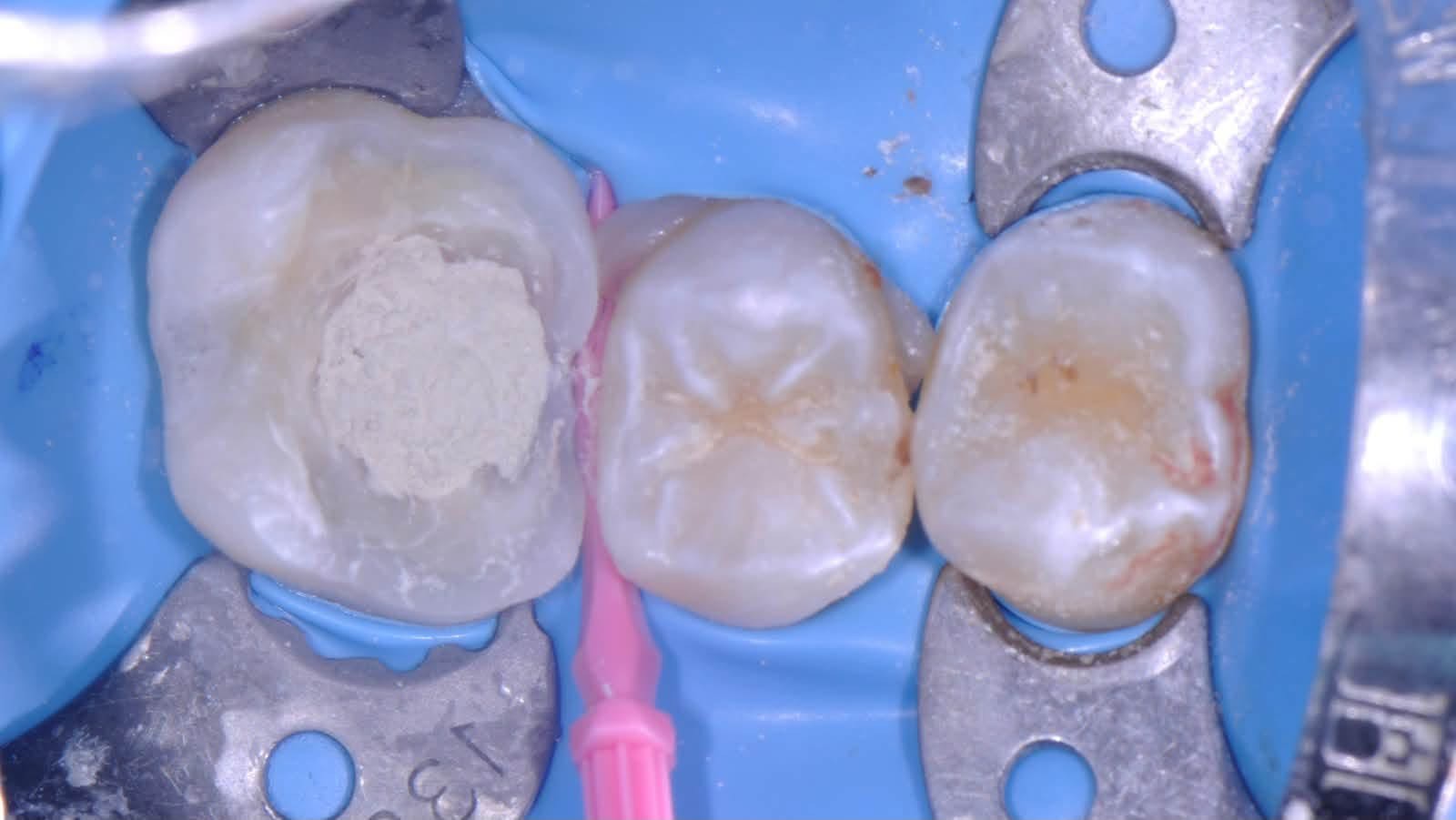
4 Direct pulp capping with MTA 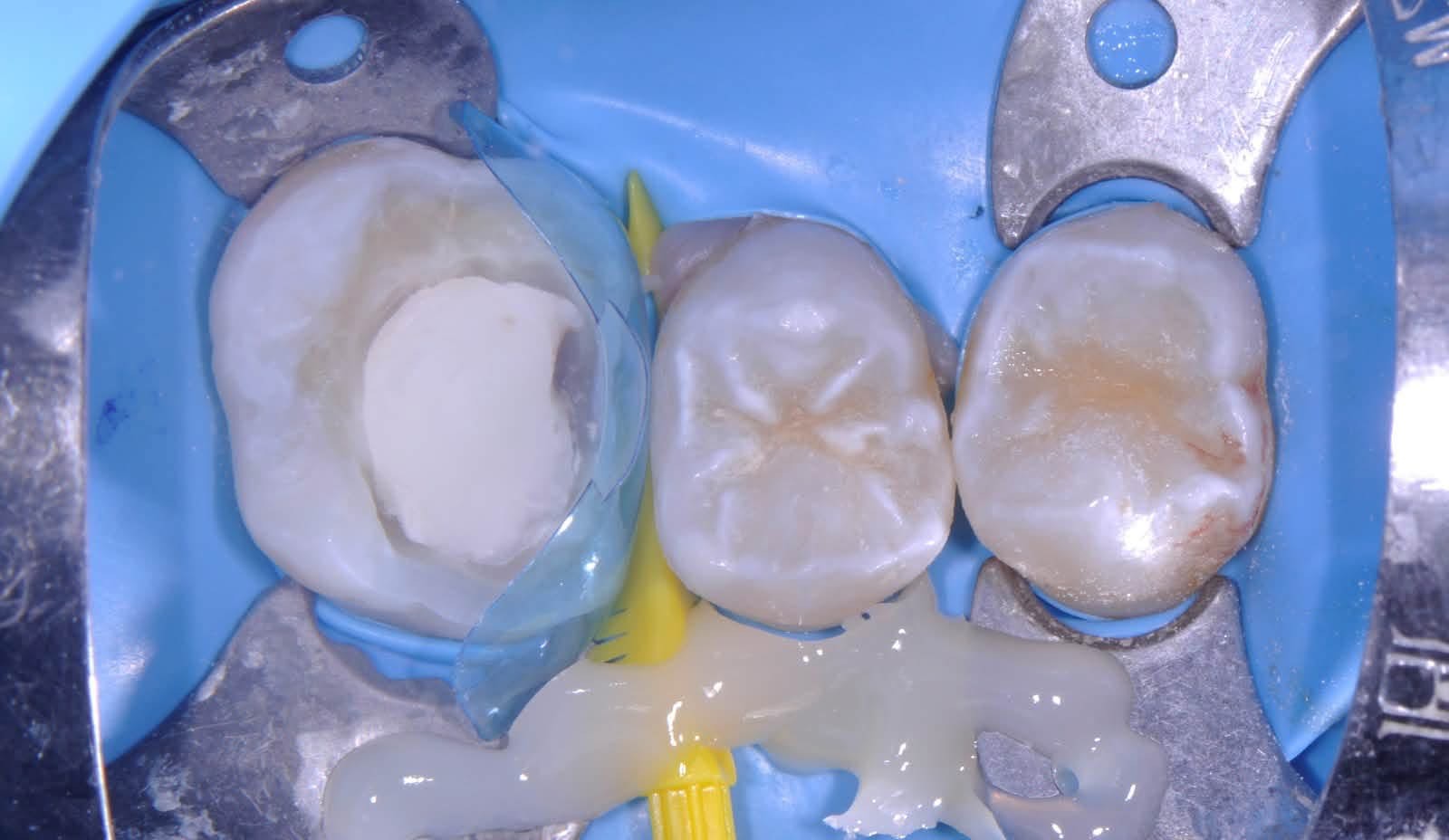
5 Sectional matrix, building the proximal wall 6 Final direct composite restoration 7 6.5-year follow-up 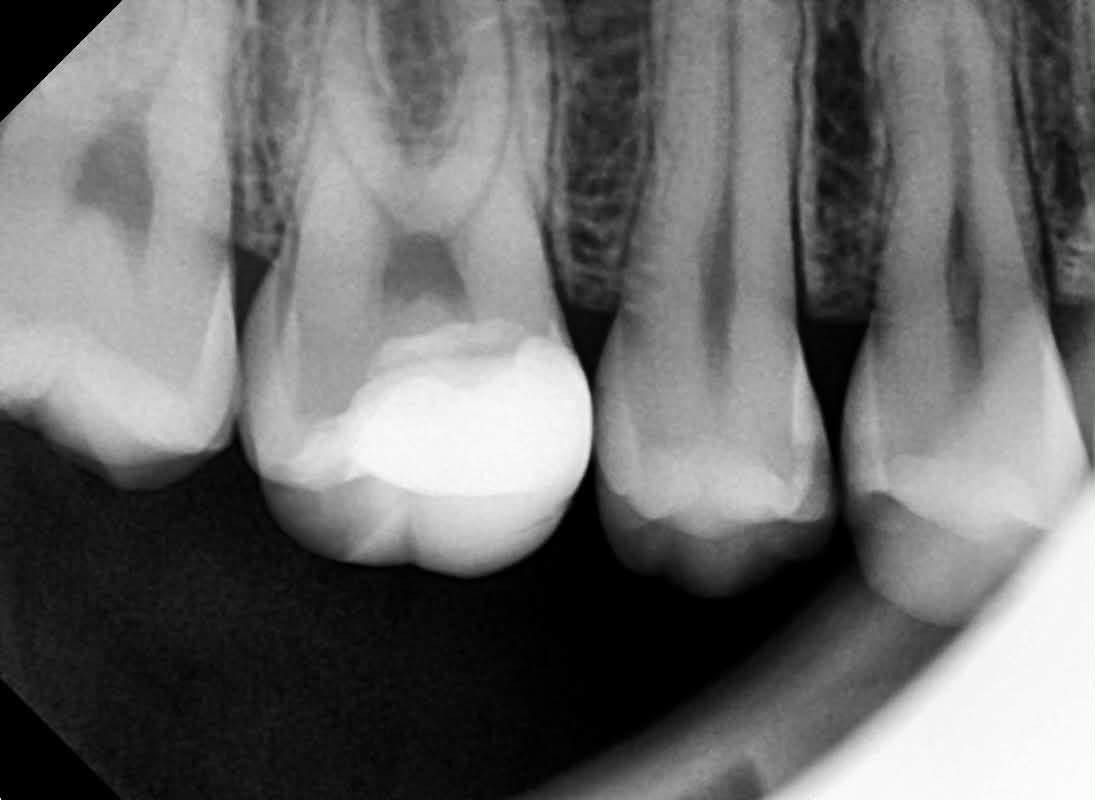
8 6.5-year follow-up radiograph: vital tooth, roots completed development
Why not extract? Restorability is a clinical judgement, not a rule
At nine and a half, with an MIH-affected first permanent molar, this is close to the timing at which many clinicians would plan an extraction and let the second molar take its place. The guidelines do describe when extraction should be considered. The current EAPD guidance encourages the use of all available treatment options, and considers scheduled extraction in severe cases (Lygidakis et al., 2022). The RCS England guideline sets out the ideal timing when extraction is chosen (Noar et al., 2023).
What the guidelines do not provide is a fixed mechanism that says: this tooth is restorable, this tooth is non-restorable. Restorability is left to clinical judgement, and clinical judgement depends on the knowledge and skills of the clinician.
We all learned extraction, and extraction as a principle has not changed much. Restoration has: adhesion, materials, isolation, matrixing, magnification and vital pulp therapy have all moved forward, and so has our ability to restore severely compromised teeth. The definition of "non-restorable" has to move with them. A lack of restorative skill should not become a diagnosis of a hopeless tooth.
Before asking when extraction should be considered, ask the more important question: does this tooth really need extraction in the first place?
Case
- Patient: 9.5-year-old girl (now 16)
- Tooth: maxillary first permanent molar affected by MIH, with post-eruptive breakdown
- Challenges: paediatric patient management and cooperation, isolation, and bonding to hypomineralised enamel
- Rubber dam isolation (multiple teeth)
- Caries and defective hypomineralised enamel removed; a small pulp exposure occurred
- Vital pulp therapy: direct pulp capping with MTA (mineral trioxide aggregate)
- Direct composite restoration with a sectional matrix (no crown, no extraction)
- Follow-up: 6.5 years, tooth retained, functional and vital, roots completed their development
Evidence
- In deep caries and exposed pulps, the European Society of Endodontology supports vital pulp therapy with calcium silicate materials to preserve pulp vitality, particularly in young patients (Duncan et al., 2019).
- Direct composite restorations can be recommended for MIH-affected molars (Somani et al., 2022).
- In a systematic review, indirect restorations, preformed metal crowns and composites showed the lowest annual failure rates for MIH molars, and composites were considered suitable even for severe cases (Elhennawy & Schwendicke, 2016).
Clinical tips
- Assess restorability tooth by tooth; do not let the age window decide on its own.
- Isolation first: a predictable result in a child depends on it.
- Remove the defective, porous enamel to a sound margin before bonding.
- A small pulp exposure in a young vital tooth is not a reason to extract: cap it under rubber dam with MTA.
- Plan for long-term recall: these are teeth we will follow for decades.
References
- Lygidakis NA, et al. Best clinical practice guidance for clinicians dealing with children presenting with molar-incisor-hypomineralisation (MIH): an updated European Academy of Paediatric Dentistry policy document. Eur Arch Paediatr Dent. 2022;23:3–21.
- Noar J, et al. A guideline for the extraction of first permanent molars in children. Royal College of Surgeons of England, Faculty of Dental Surgery; 2023.
- Somani C, et al. An update of treatment modalities in children and adolescents with teeth affected by molar incisor hypomineralisation (MIH): a systematic review. Eur Arch Paediatr Dent. 2022;23:39–64.
- Duncan HF, et al. European Society of Endodontology position statement: management of deep caries and the exposed pulp. Int Endod J. 2019;52(7):923–934.
- Elhennawy K, Schwendicke F. Managing molar-incisor hypomineralization: a systematic review. J Dent. 2016;55:16–24.
احجز موعدك
اترك بياناتك، وسيتواصل معك فريقنا لتحديد موعد الزيارة، سواء كنت داخل مصر أو قادمًا من خارجها خصيصًا للعلاج.