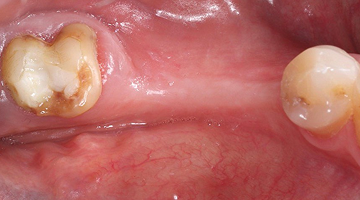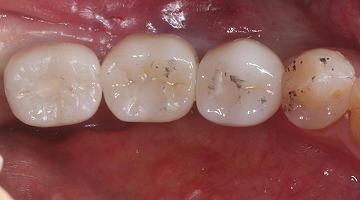
An MIH molar in a 9-year-old: why we did not extract it. 6.5-year follow-up
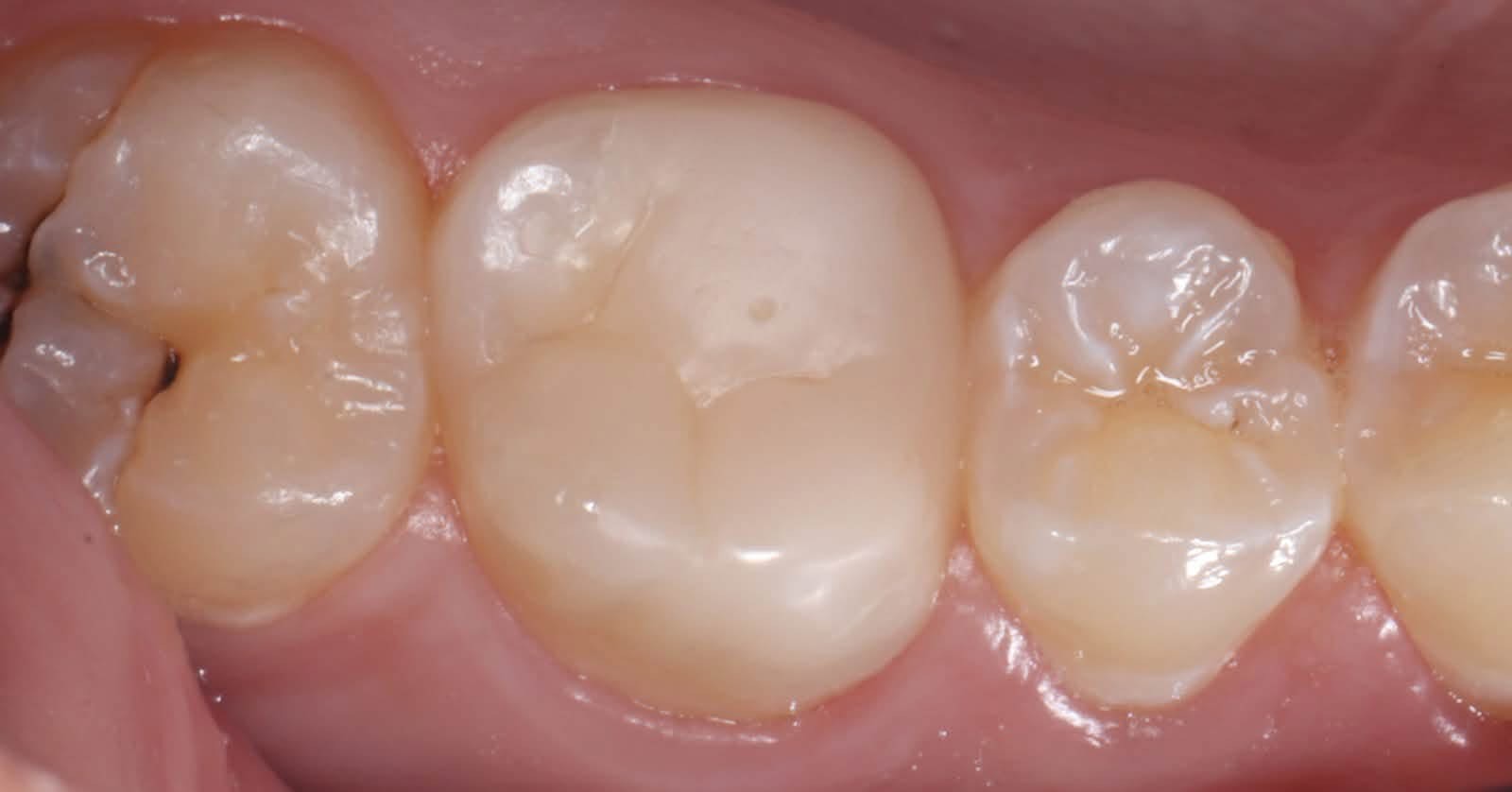
A first permanent molar affected by MIH in a 9.5-year-old. Extraction was the easy answer; we restored it directly instead, and the tooth is still there and healthy at 16.
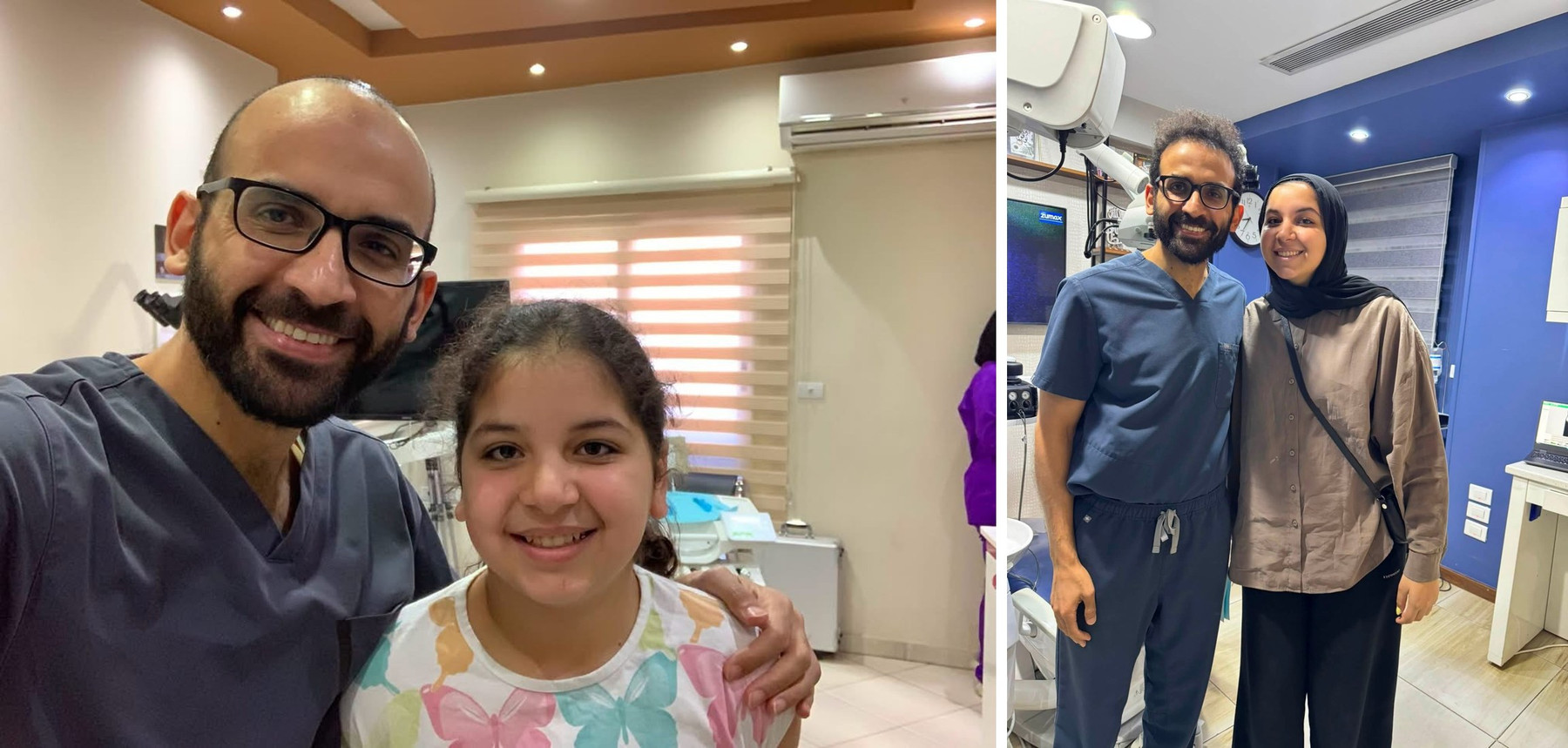
Yasmine: from nine and a half to sixteen
Yasmine is my niece. She was nine and a half when we started her treatment; today she is sixteen.
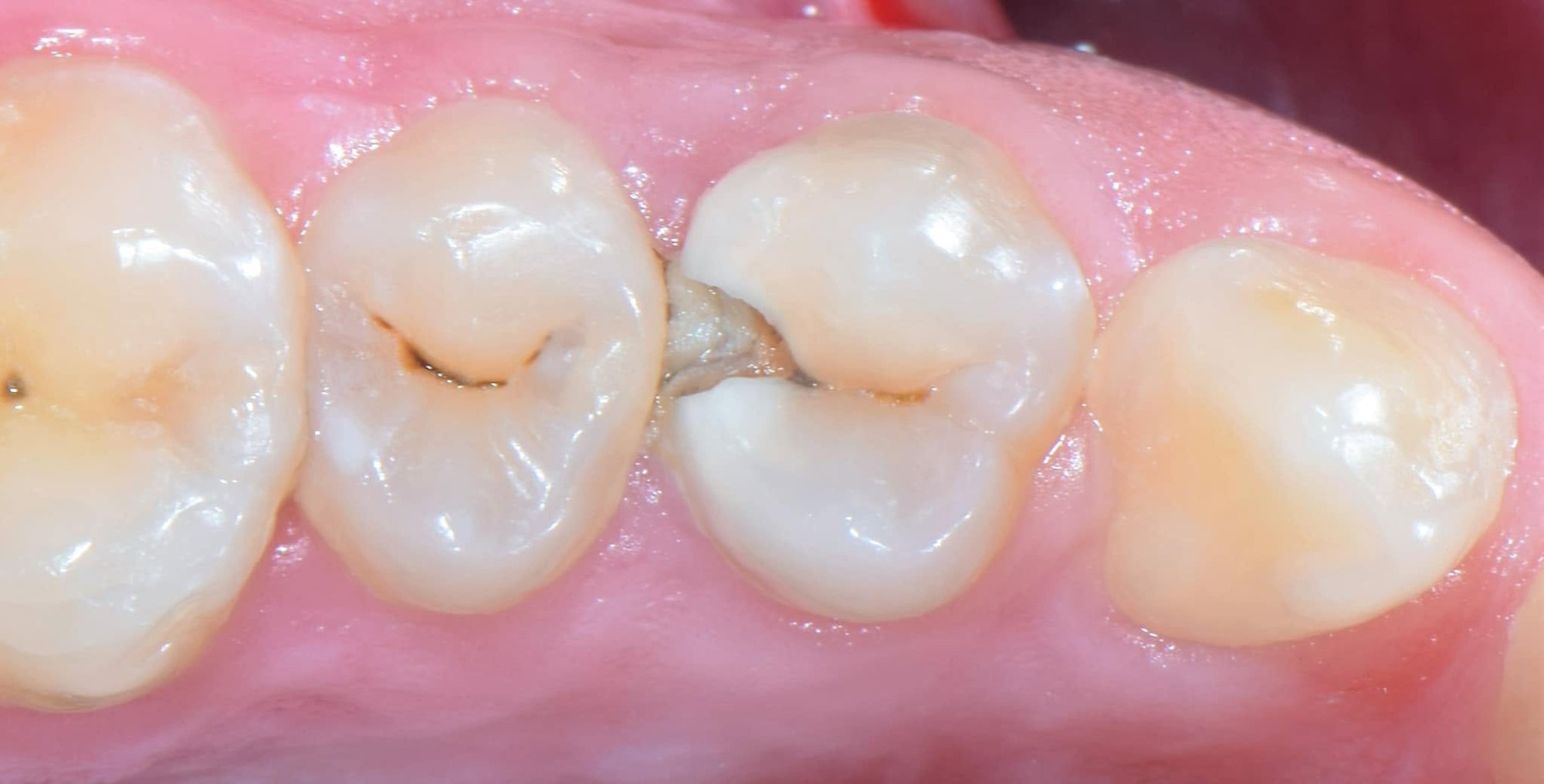
Her upper first permanent molar was affected by molar-incisor hypomineralisation (MIH): the enamel had been weak since the tooth formed, it was sensitive, and it was breaking down quickly.
The easy decision was extraction
At exactly this age, many dentists would say: why not extract it now, and let the second molar drift forward and take its place?
And treating children is not easy: it needs patience and cooperation, isolation is difficult, and a predictable result takes experience.
We chose the harder path: keep the tooth
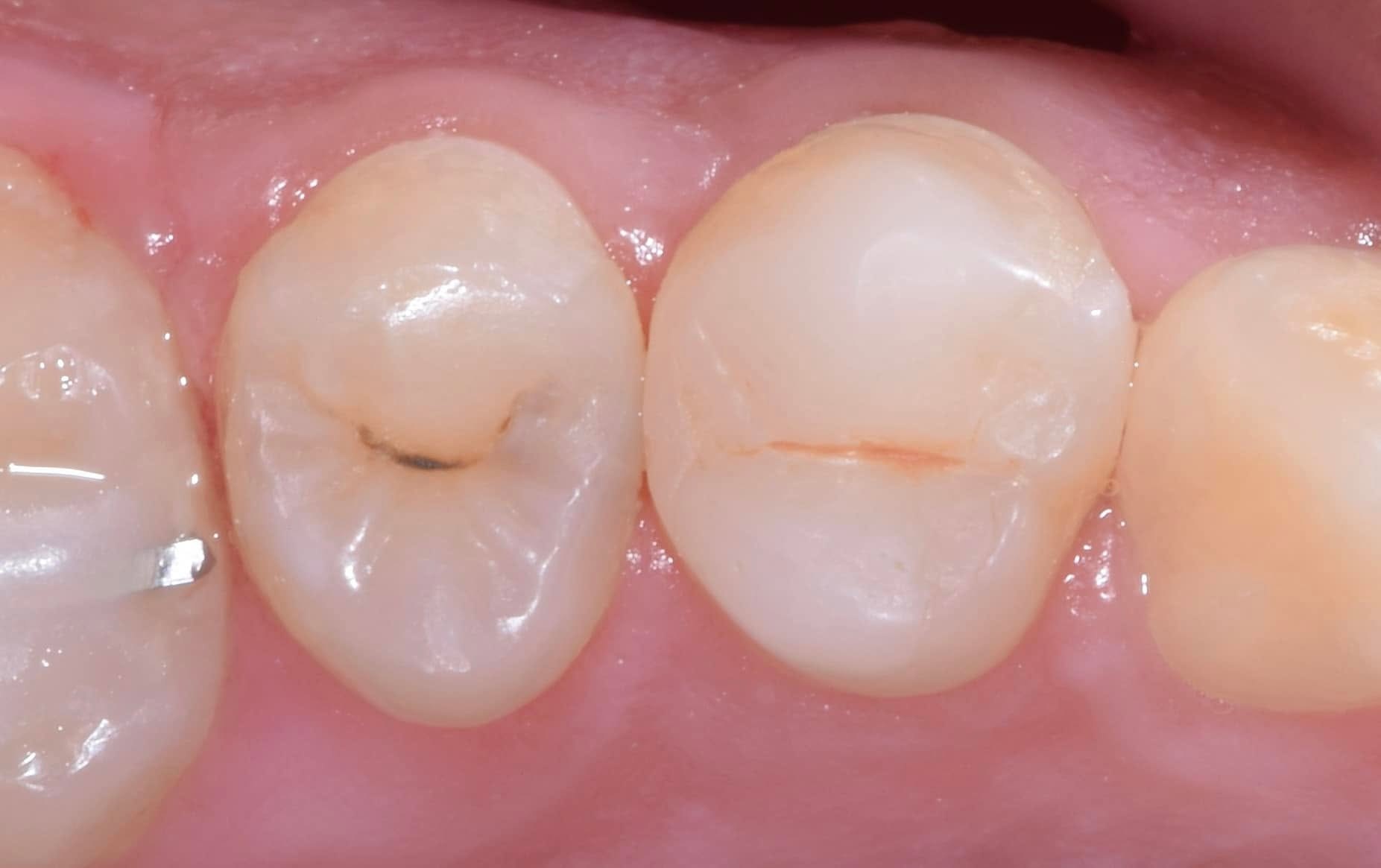
The decay was deep and reached the nerve at one small point. Instead of a root canal or an extraction, we covered that point with a bioactive material (MTA) that helps the nerve heal and keeps it alive, then restored the molar with a direct composite in the chair, with no crown and no extraction.
Six and a half years later, the tooth is still there and working, and Yasmine is sixteen with her natural teeth.
Why this matters
A tooth is not "non-restorable" just because restoring it is hard. With today's adhesion, materials and magnification, we can save teeth that used to be extracted.
Common questions
- What is MIH? A defect in enamel formation that affects the first permanent molars and sometimes the incisors. It shows as white, yellow or brown patches, and the tooth becomes sensitive and breaks down easily.
- Does an MIH molar in a child have to be extracted? Not always. Extraction is an option in very severe cases, but many of these molars can be restored and kept.
- Does a filling last in an MIH molar? Yes, with good isolation, a correct bonding protocol and regular check-ups.
Clinical details for dentists
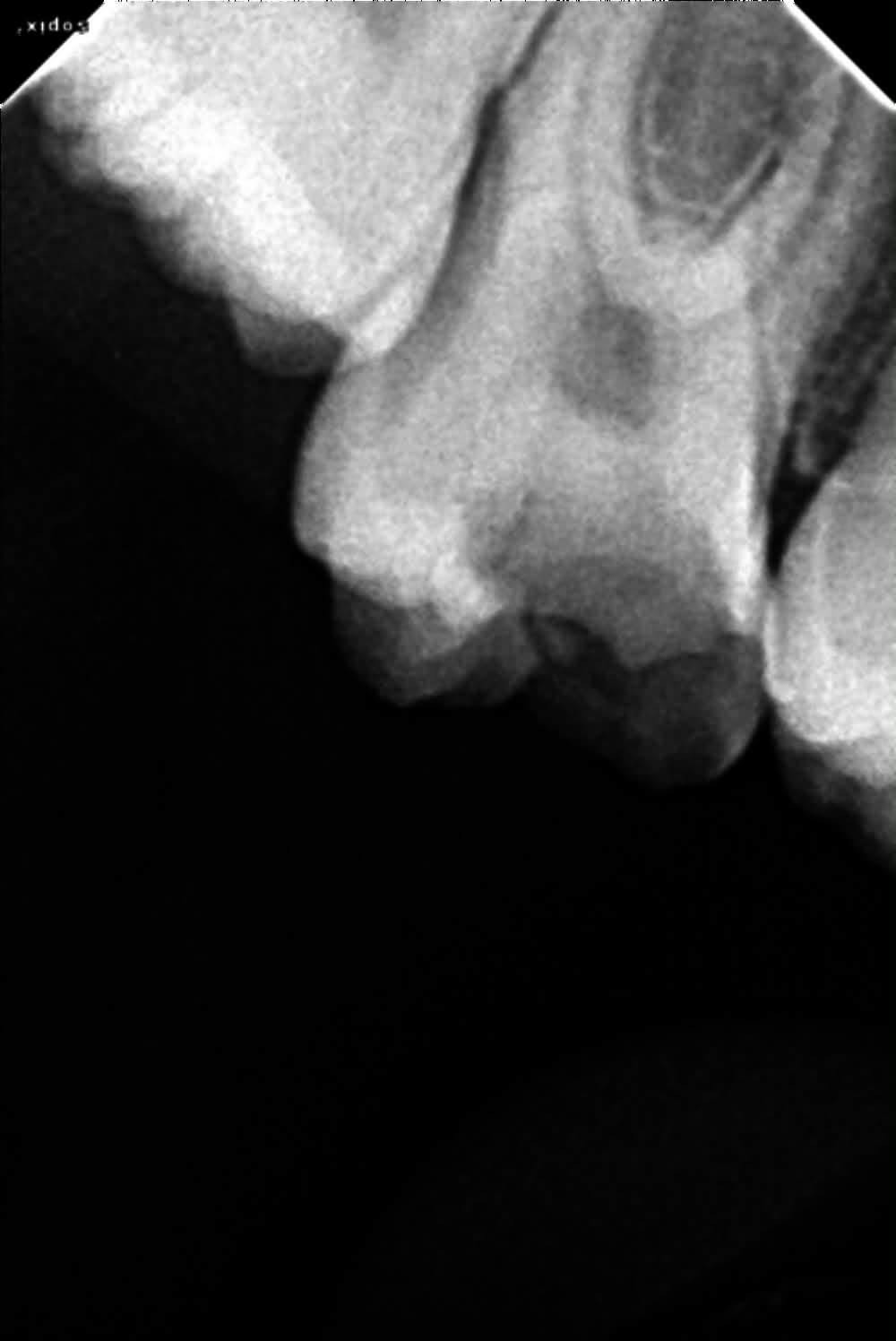
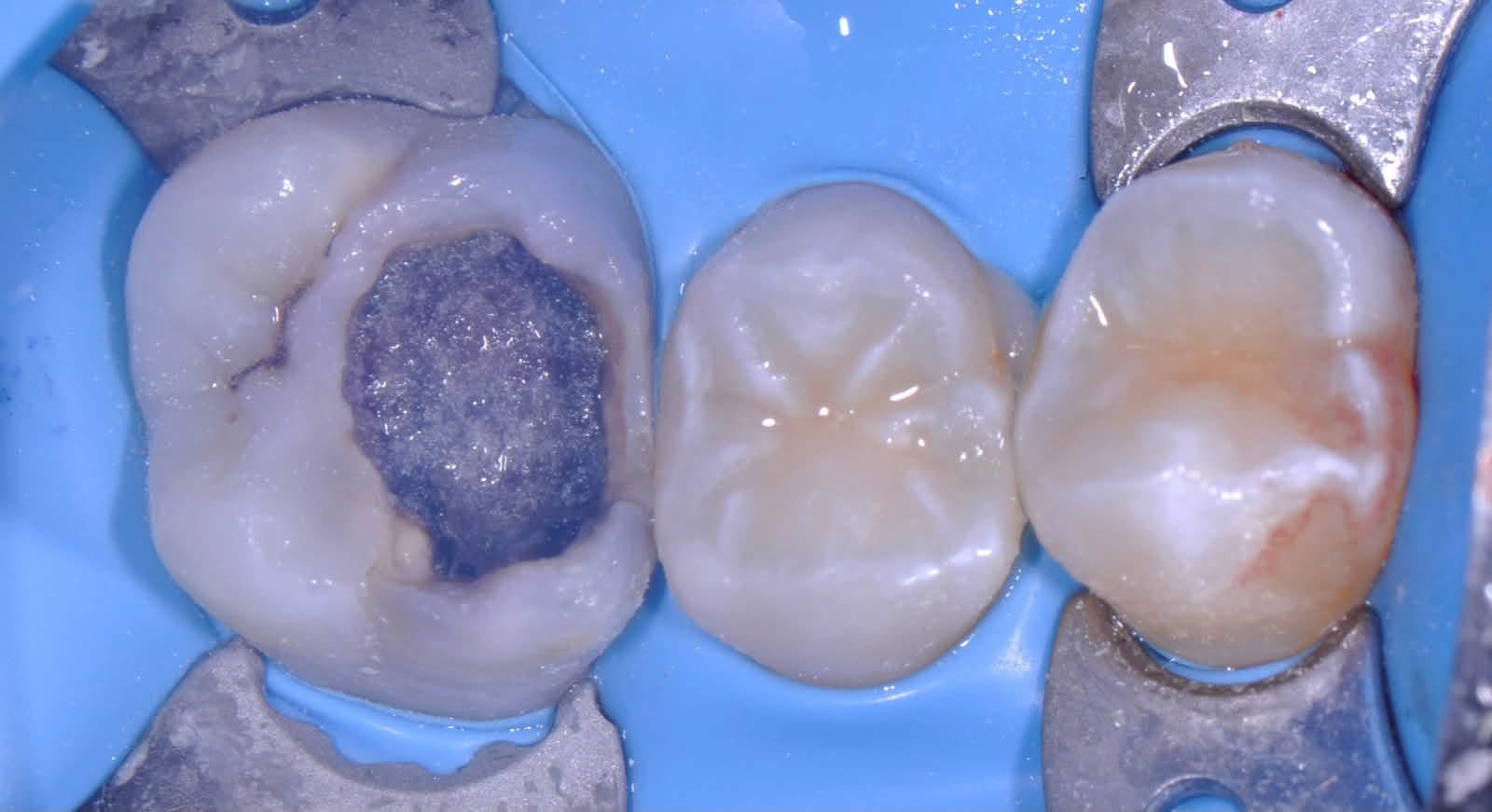
1 Pre-operative radiograph: deep lesion in an MIH-affected first permanent molar 2 Rubber dam isolation, caries and hypomineralised enamel 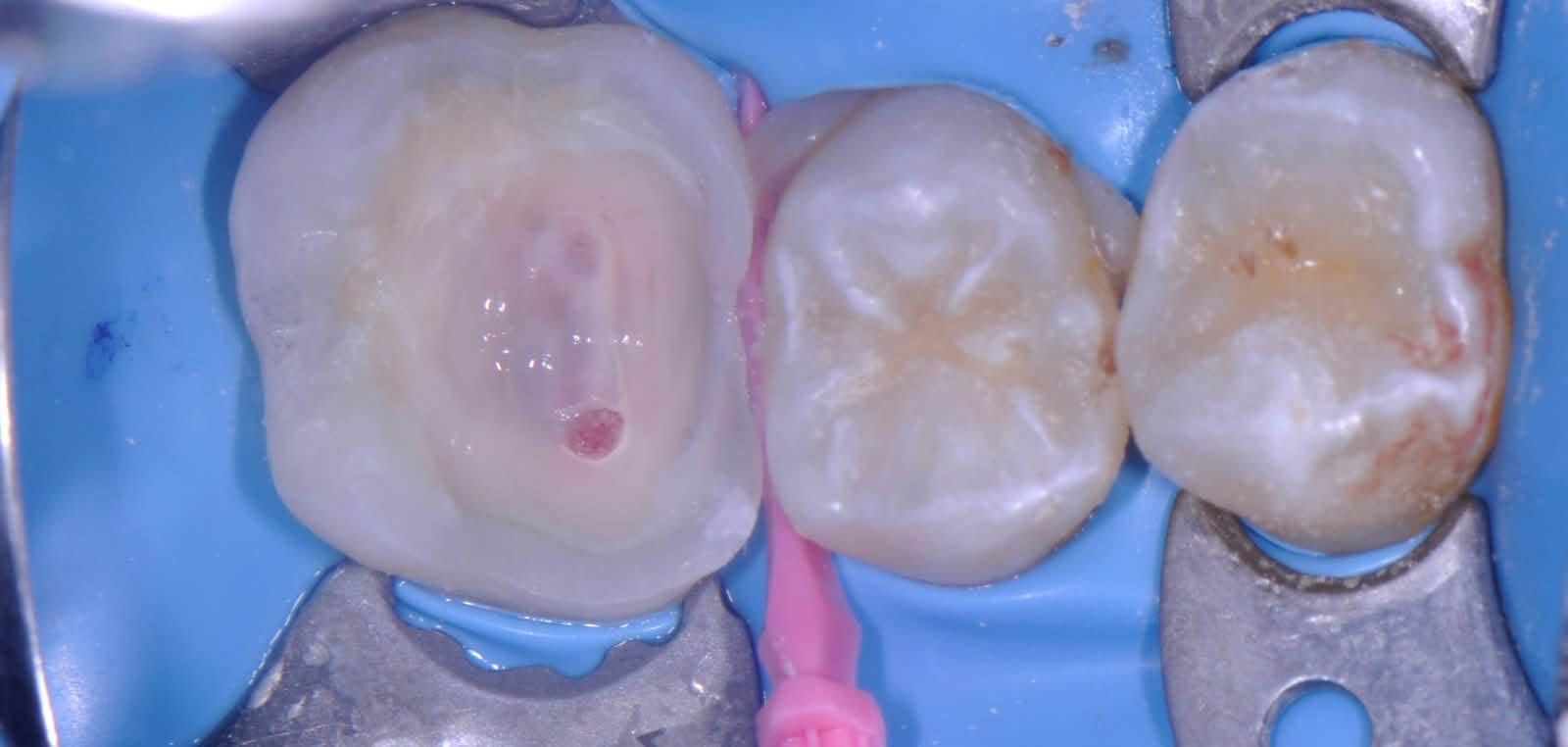
3 After caries removal: small pulp exposure 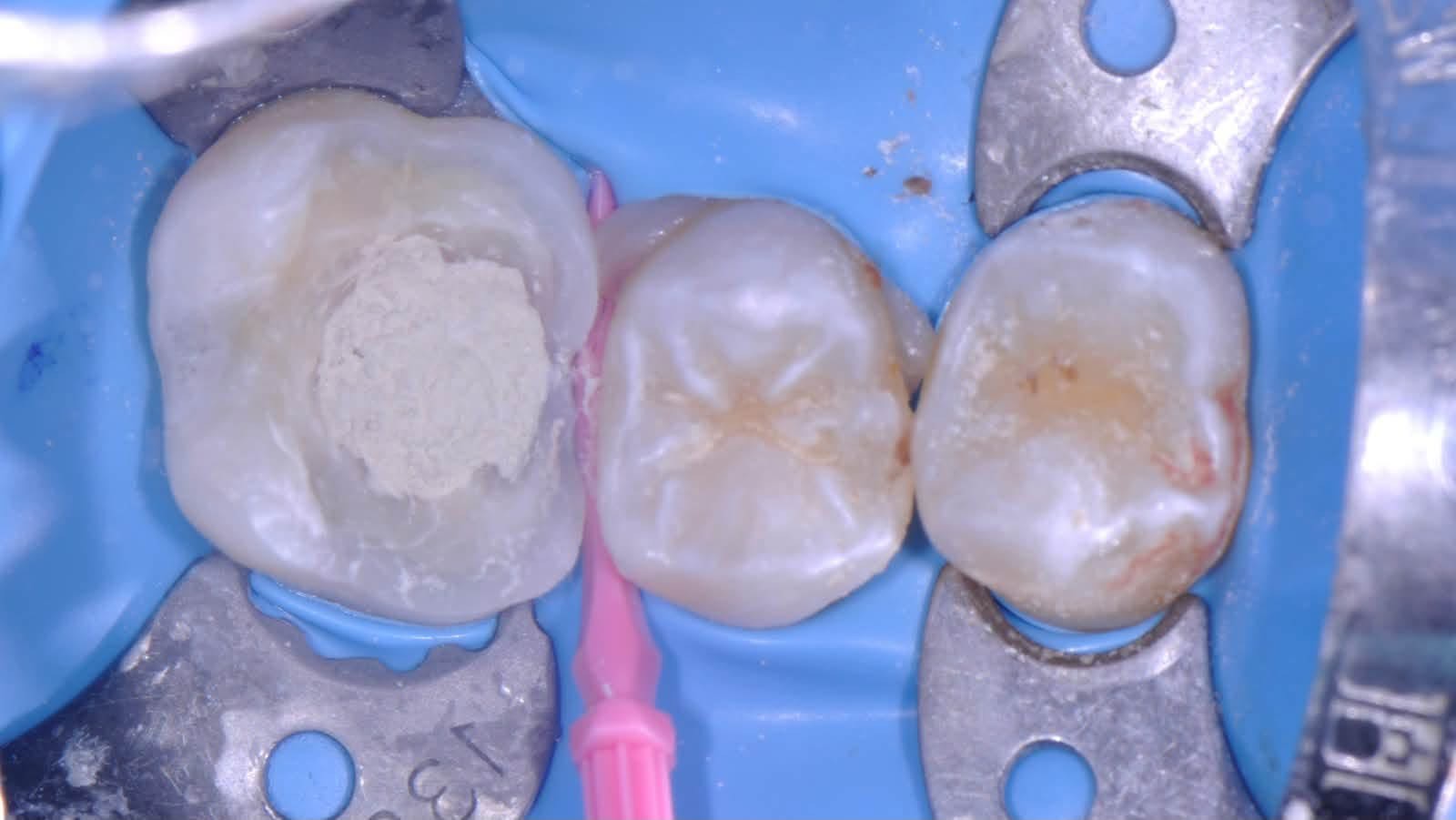
4 Direct pulp capping with MTA 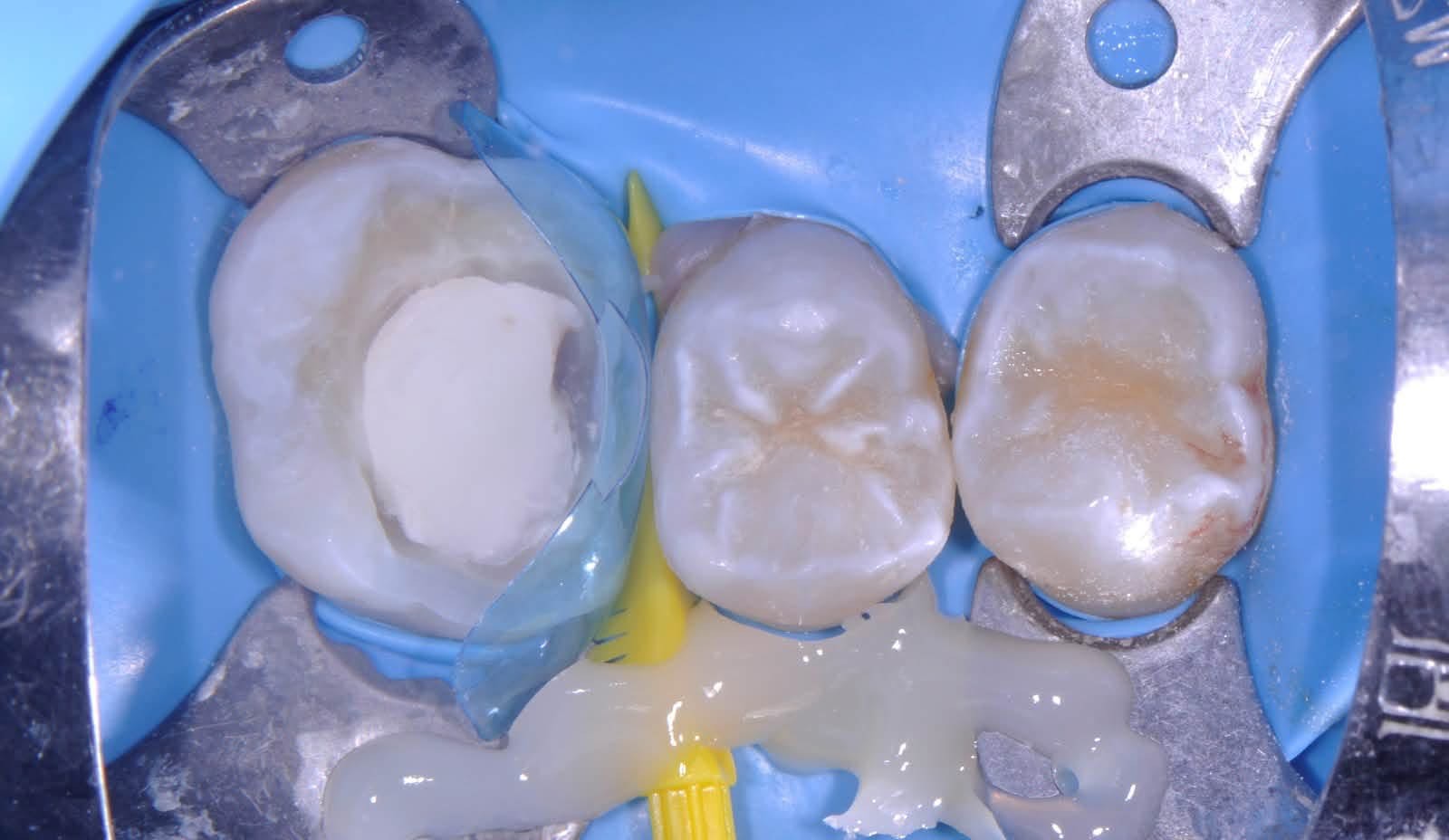
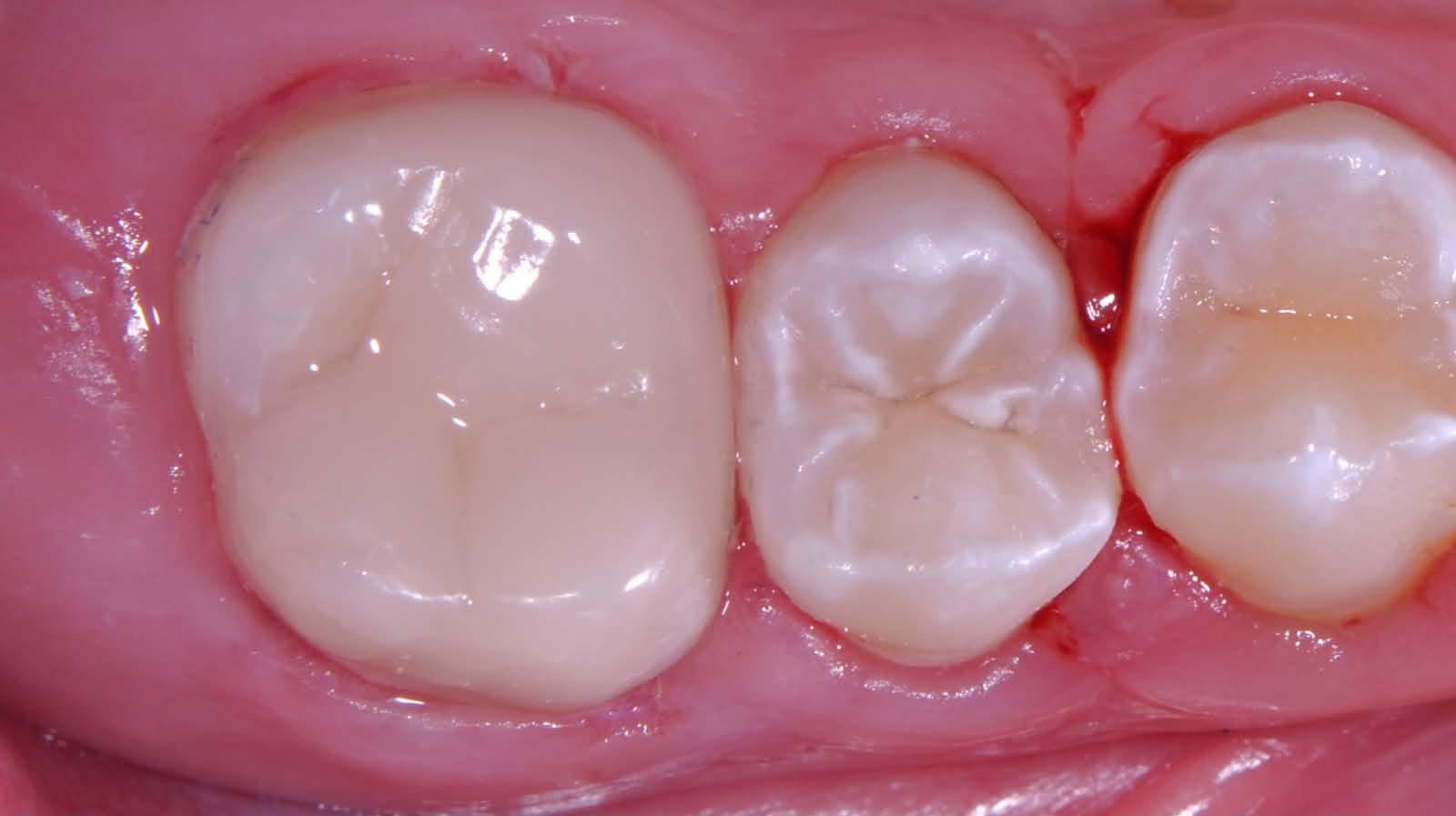
5 Sectional matrix, building the proximal wall 6 Final direct composite restoration 7 6.5-year follow-up 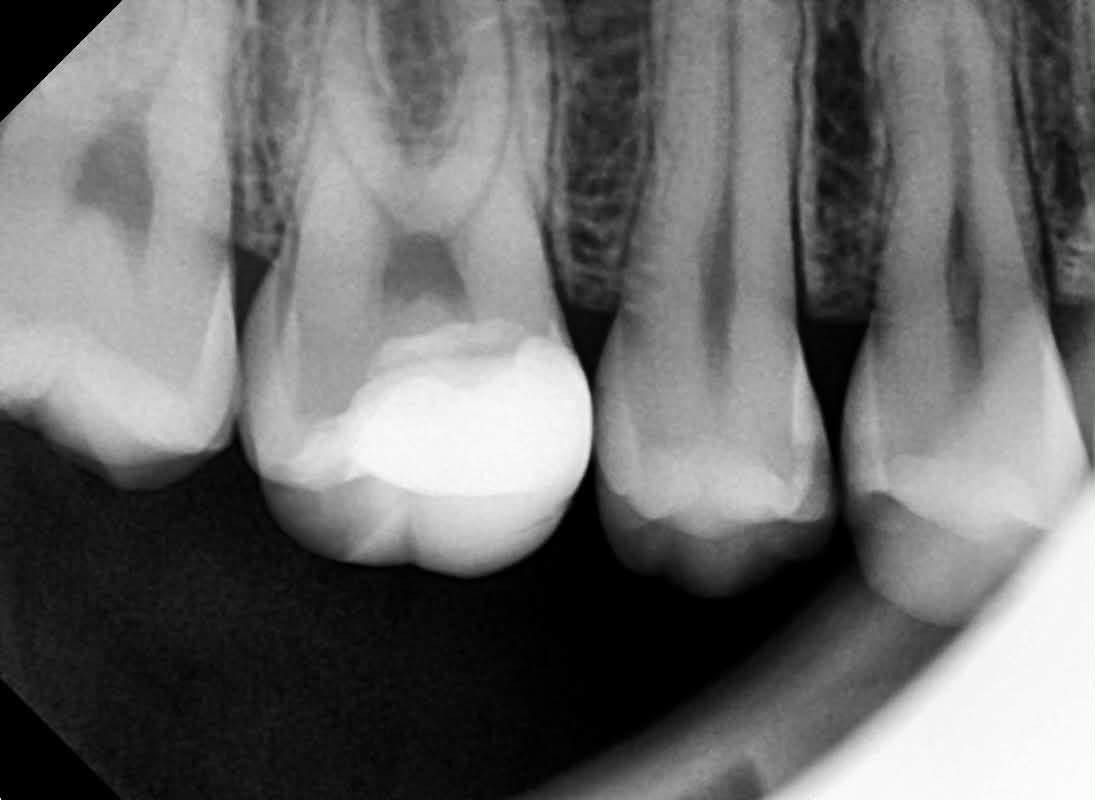
8 6.5-year follow-up radiograph: vital tooth, roots completed development
Why not extract? Restorability is a clinical judgement, not a rule
At nine and a half, with an MIH-affected first permanent molar, this is close to the timing at which many clinicians would plan an extraction and let the second molar take its place. The guidelines do describe when extraction should be considered. The current EAPD guidance encourages the use of all available treatment options, and considers scheduled extraction in severe cases (Lygidakis et al., 2022). The RCS England guideline sets out the ideal timing when extraction is chosen (Noar et al., 2023).
What the guidelines do not provide is a fixed mechanism that says: this tooth is restorable, this tooth is non-restorable. Restorability is left to clinical judgement, and clinical judgement depends on the knowledge and skills of the clinician.
We all learned extraction, and extraction as a principle has not changed much. Restoration has: adhesion, materials, isolation, matrixing, magnification and vital pulp therapy have all moved forward, and so has our ability to restore severely compromised teeth. The definition of "non-restorable" has to move with them. A lack of restorative skill should not become a diagnosis of a hopeless tooth.
Before asking when extraction should be considered, ask the more important question: does this tooth really need extraction in the first place?
Case
- Patient: 9.5-year-old girl (now 16)
- Tooth: maxillary first permanent molar affected by MIH, with post-eruptive breakdown
- Challenges: paediatric patient management and cooperation, isolation, and bonding to hypomineralised enamel
- Rubber dam isolation (multiple teeth)
- Caries and defective hypomineralised enamel removed; a small pulp exposure occurred
- Vital pulp therapy: direct pulp capping with MTA (mineral trioxide aggregate)
- Direct composite restoration with a sectional matrix (no crown, no extraction)
- Follow-up: 6.5 years, tooth retained, functional and vital, roots completed their development
Evidence
- In deep caries and exposed pulps, the European Society of Endodontology supports vital pulp therapy with calcium silicate materials to preserve pulp vitality, particularly in young patients (Duncan et al., 2019).
- Direct composite restorations can be recommended for MIH-affected molars (Somani et al., 2022).
- In a systematic review, indirect restorations, preformed metal crowns and composites showed the lowest annual failure rates for MIH molars, and composites were considered suitable even for severe cases (Elhennawy & Schwendicke, 2016).
Clinical tips
- Assess restorability tooth by tooth; do not let the age window decide on its own.
- Isolation first: a predictable result in a child depends on it.
- Remove the defective, porous enamel to a sound margin before bonding.
- A small pulp exposure in a young vital tooth is not a reason to extract: cap it under rubber dam with MTA.
- Plan for long-term recall: these are teeth we will follow for decades.
References
- Lygidakis NA, et al. Best clinical practice guidance for clinicians dealing with children presenting with molar-incisor-hypomineralisation (MIH): an updated European Academy of Paediatric Dentistry policy document. Eur Arch Paediatr Dent. 2022;23:3–21.
- Noar J, et al. A guideline for the extraction of first permanent molars in children. Royal College of Surgeons of England, Faculty of Dental Surgery; 2023.
- Somani C, et al. An update of treatment modalities in children and adolescents with teeth affected by molar incisor hypomineralisation (MIH): a systematic review. Eur Arch Paediatr Dent. 2022;23:39–64.
- Duncan HF, et al. European Society of Endodontology position statement: management of deep caries and the exposed pulp. Int Endod J. 2019;52(7):923–934.
- Elhennawy K, Schwendicke F. Managing molar-incisor hypomineralization: a systematic review. J Dent. 2016;55:16–24.
Book a Consultation
Leave your details and our team will contact you to arrange your visit — whether you live in Egypt or are travelling in for treatment.