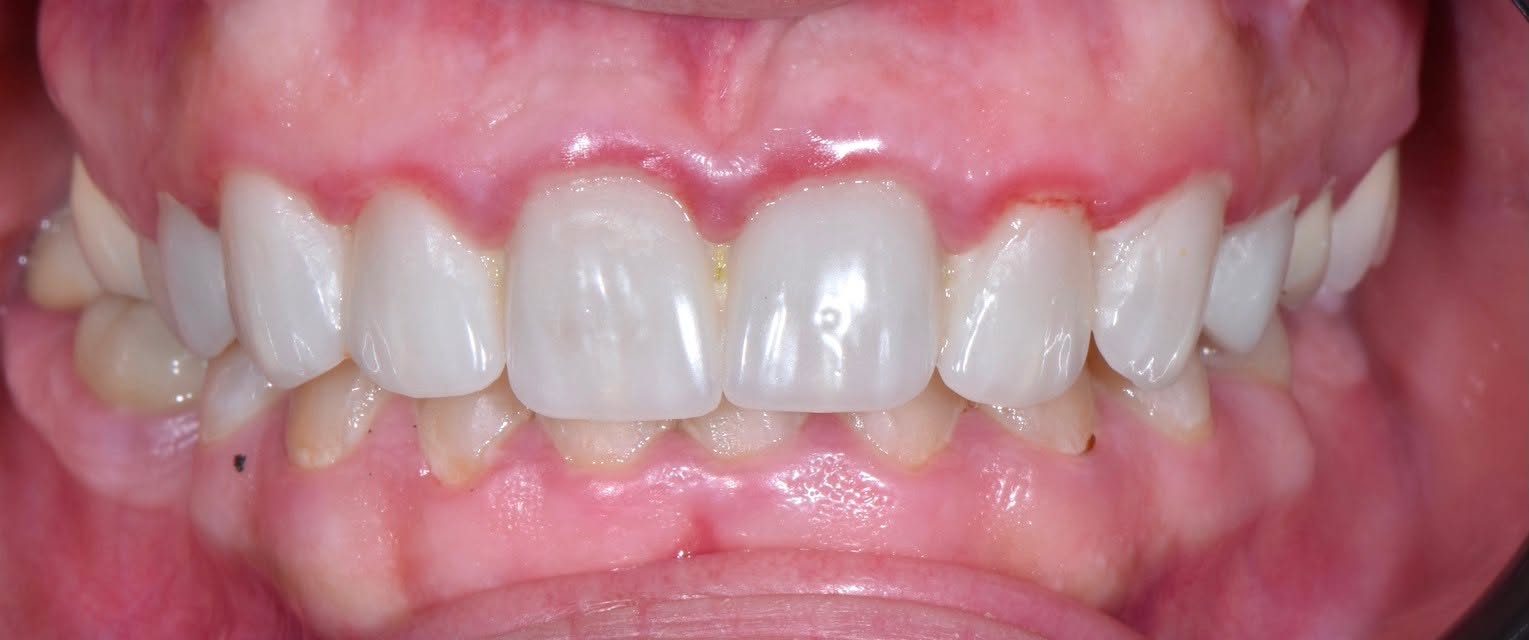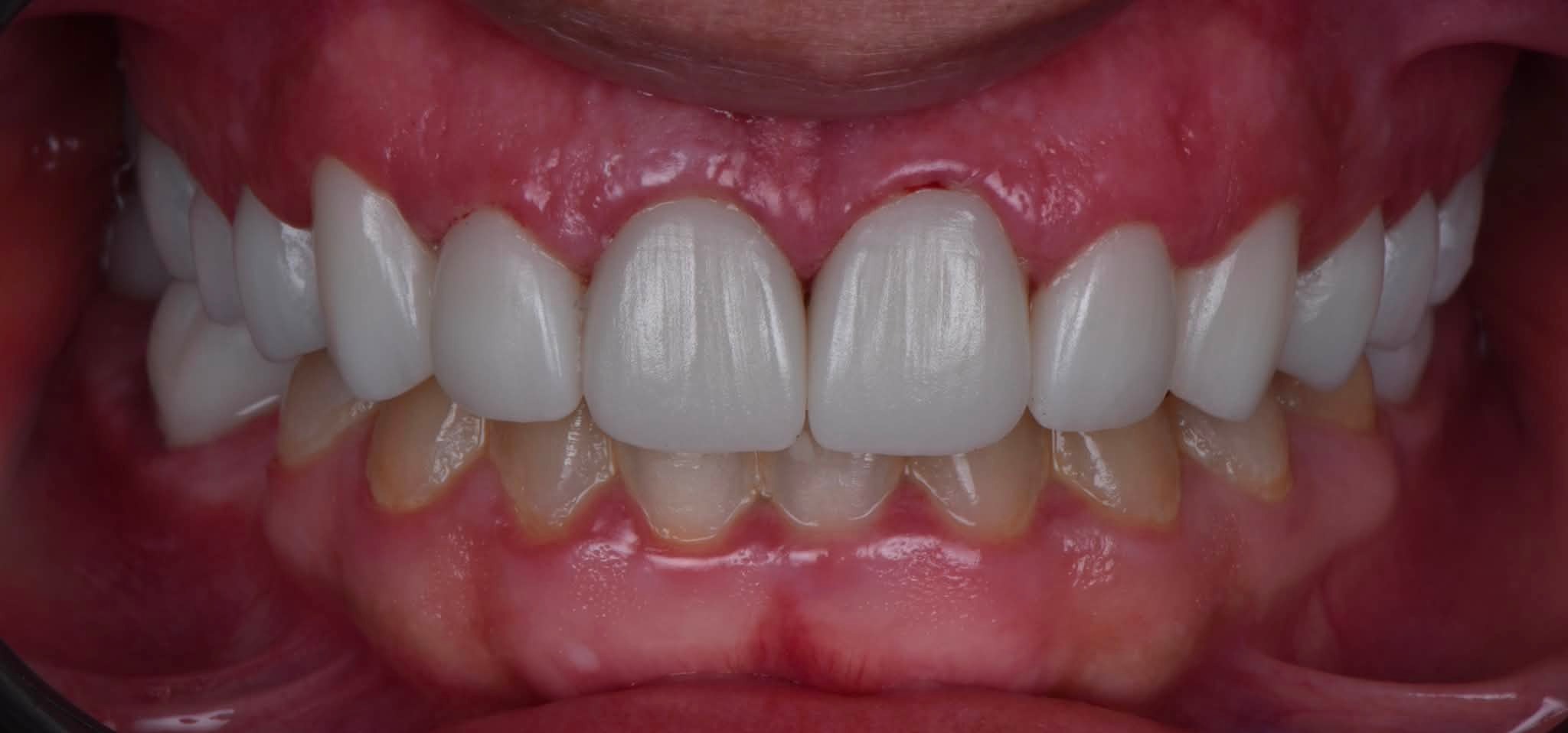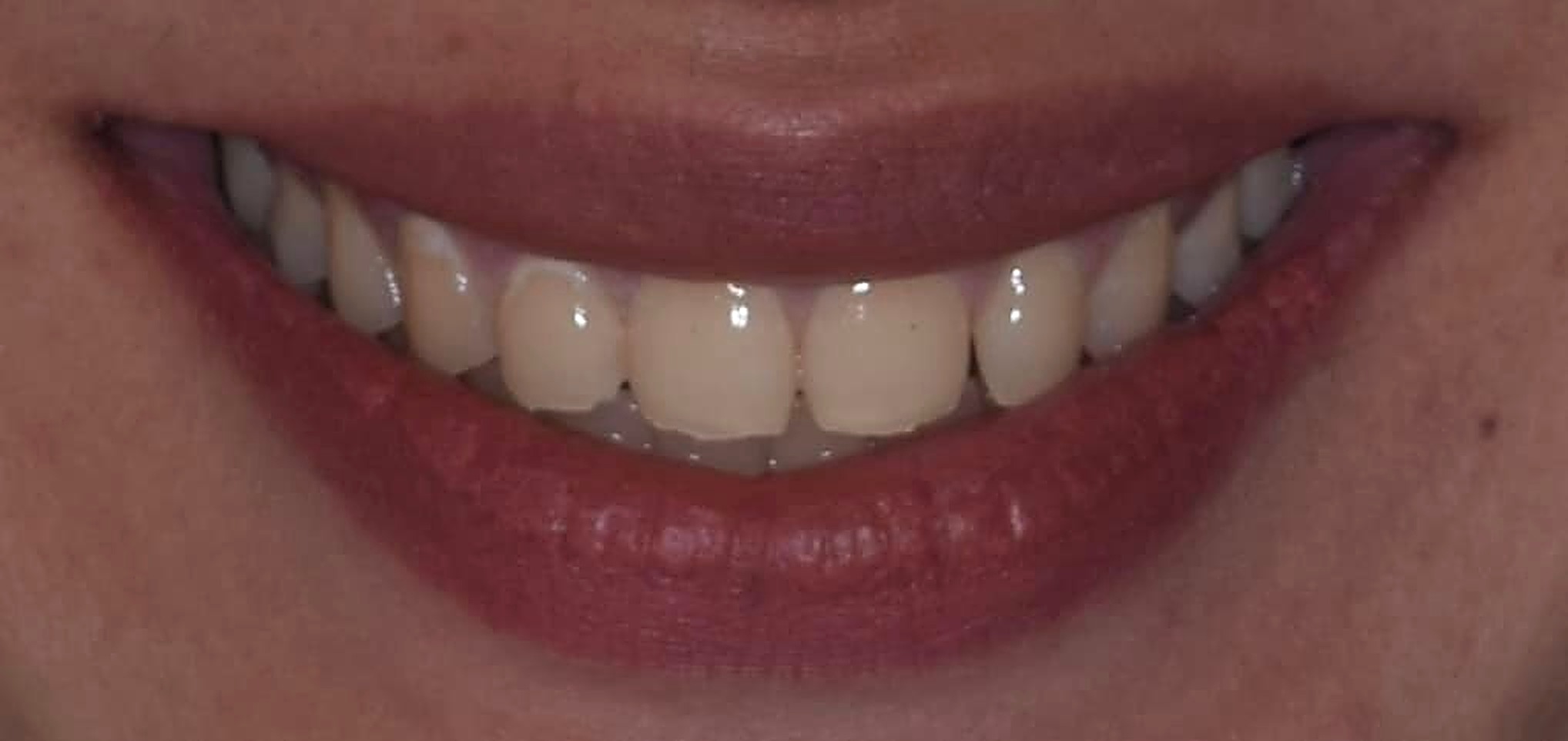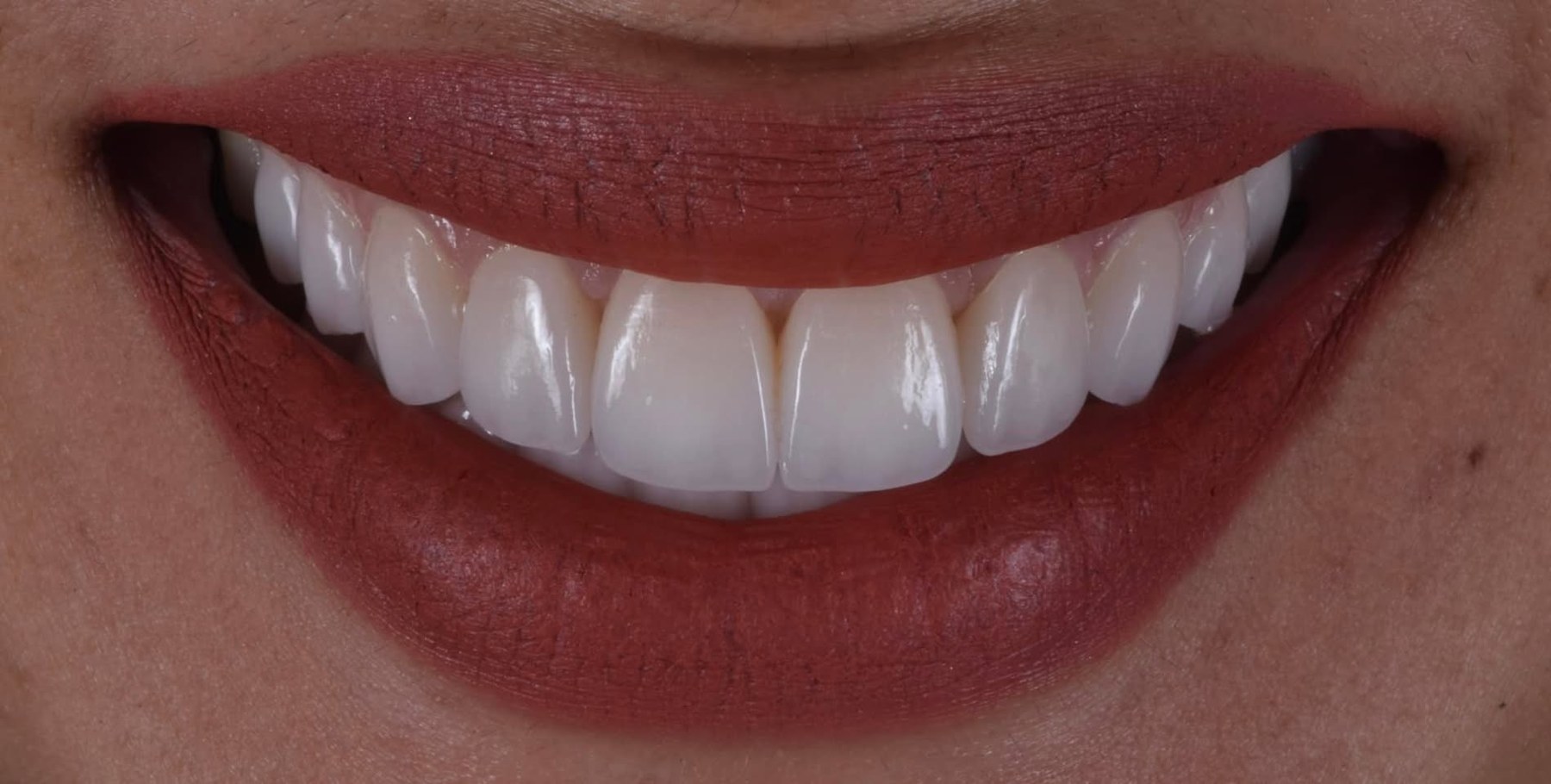
A composite restoration after 10 years: follow-up is the most honest evidence
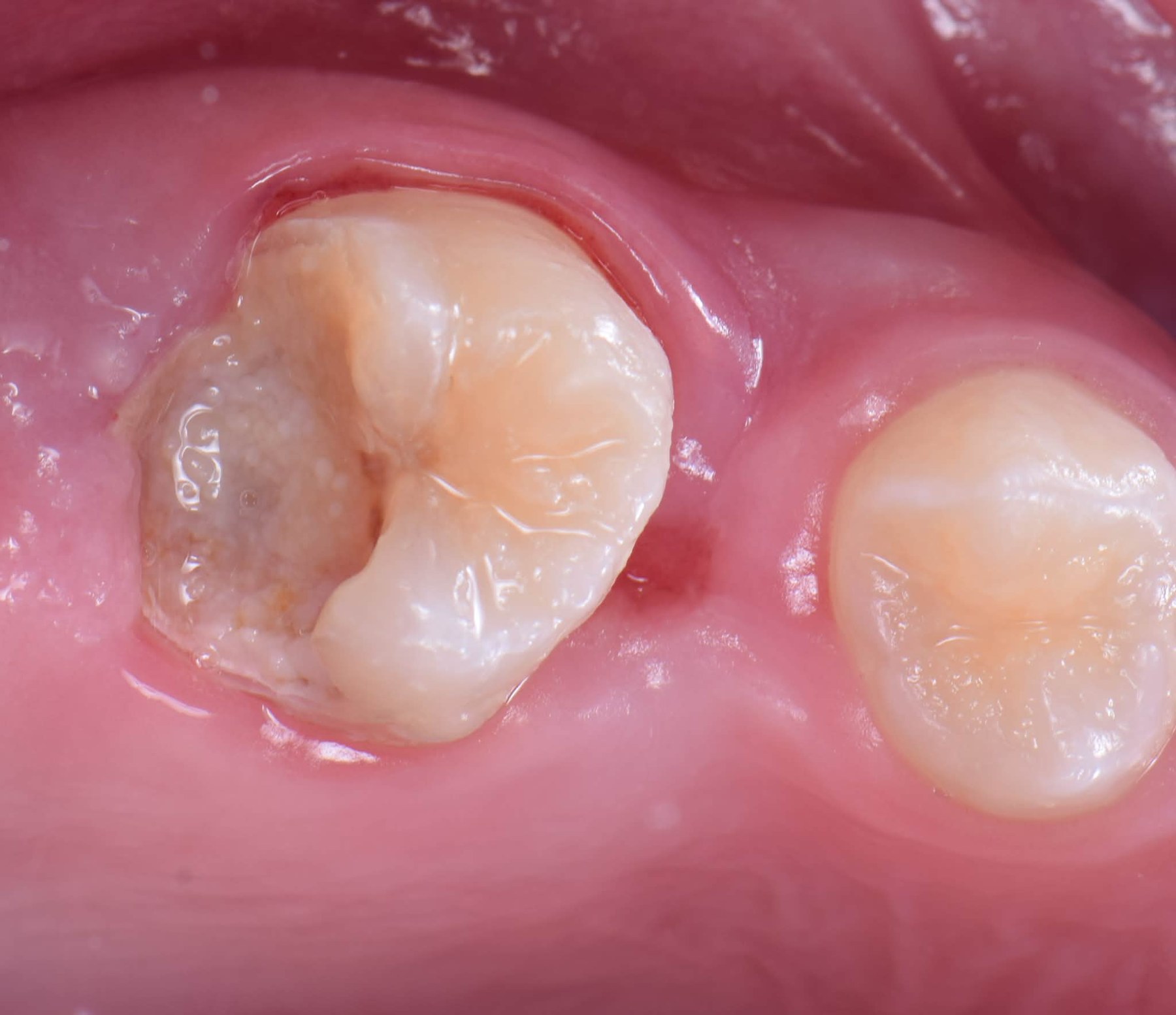
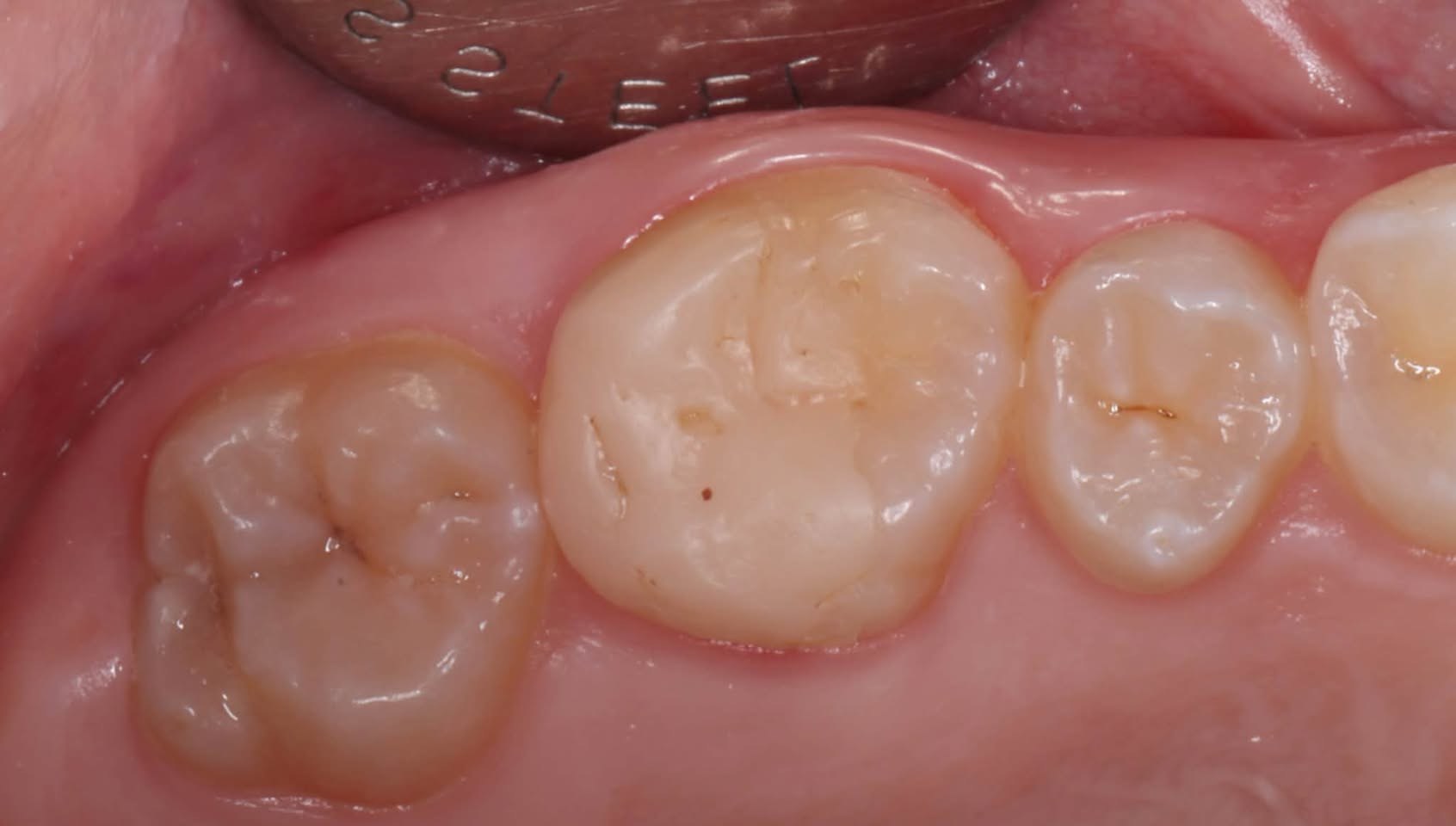
A molar restored with direct composite using the Bioclear injection-molding technique, in a patient with a high caries index. At the 10-year recall the restoration is still stable, with no debonding and no notable problems.
Back after ten years
This patient came in today for a recall ten years after treatment, and it made me think about something important.
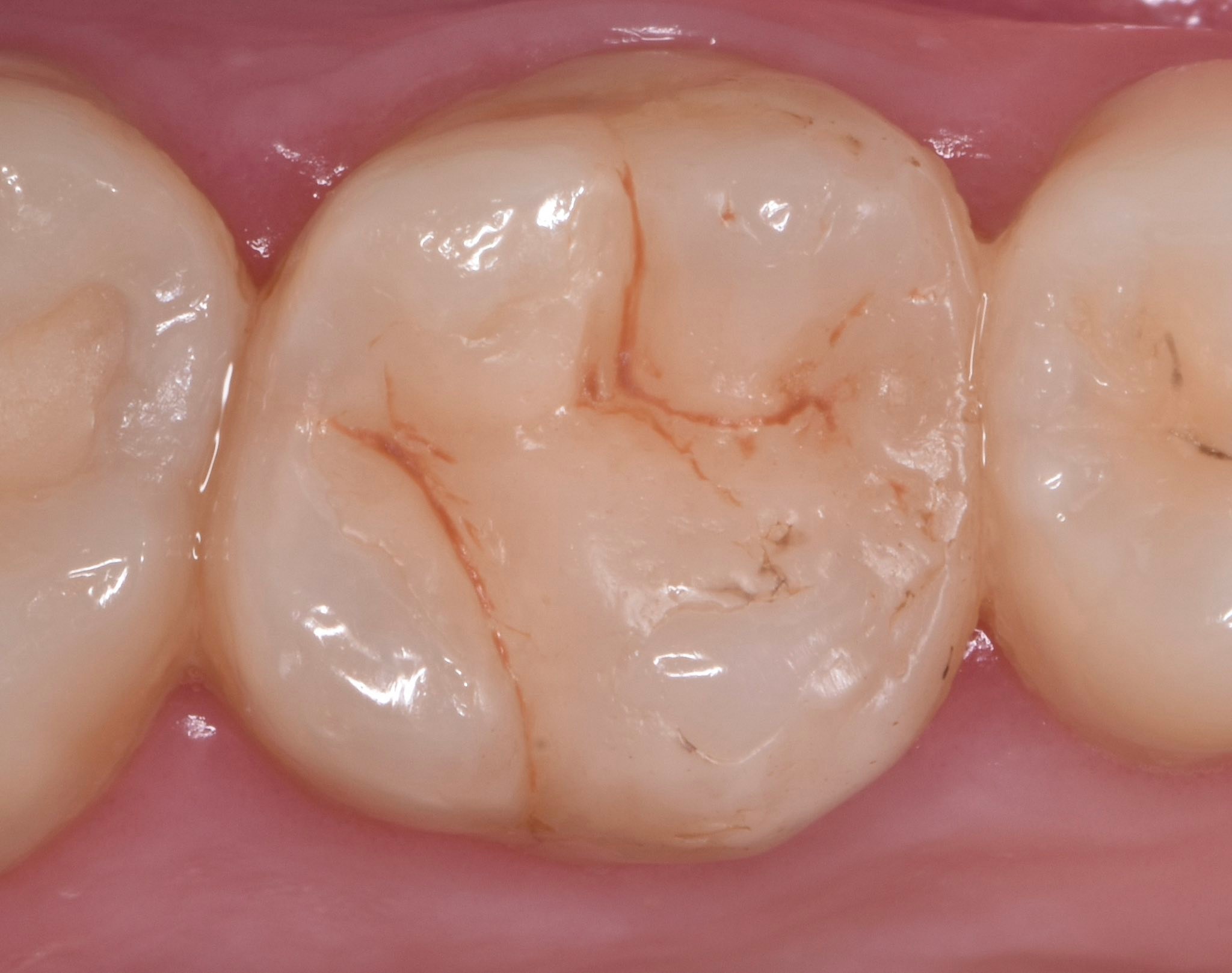
The patient has a high caries index: not one of the easy cases where you expect perfect oral hygiene or ideal conditions. Yet after ten years the restoration is still stable, with no debonding and no notable problems.
Part of the reason: we extended the margins slightly towards the cheek and tongue so the restoration bonds to more enamel, which makes it more resistant to decay. This was already visible at the first follow-up, three and a half years later.
Another kind of evidence
Science matters a great deal, research matters a great deal, and evidence-based dentistry is the foundation.
But there is another kind of evidence I personally love: follow-up. Seeing what you did ten years ago: how it is still living, still working, still holding up.
In the end, what best proves you were heading in the right direction is not only the paper, but the patient who comes back after ten years with your work still in place and still doing its job.
Clinical details for dentists
1 Before treatment 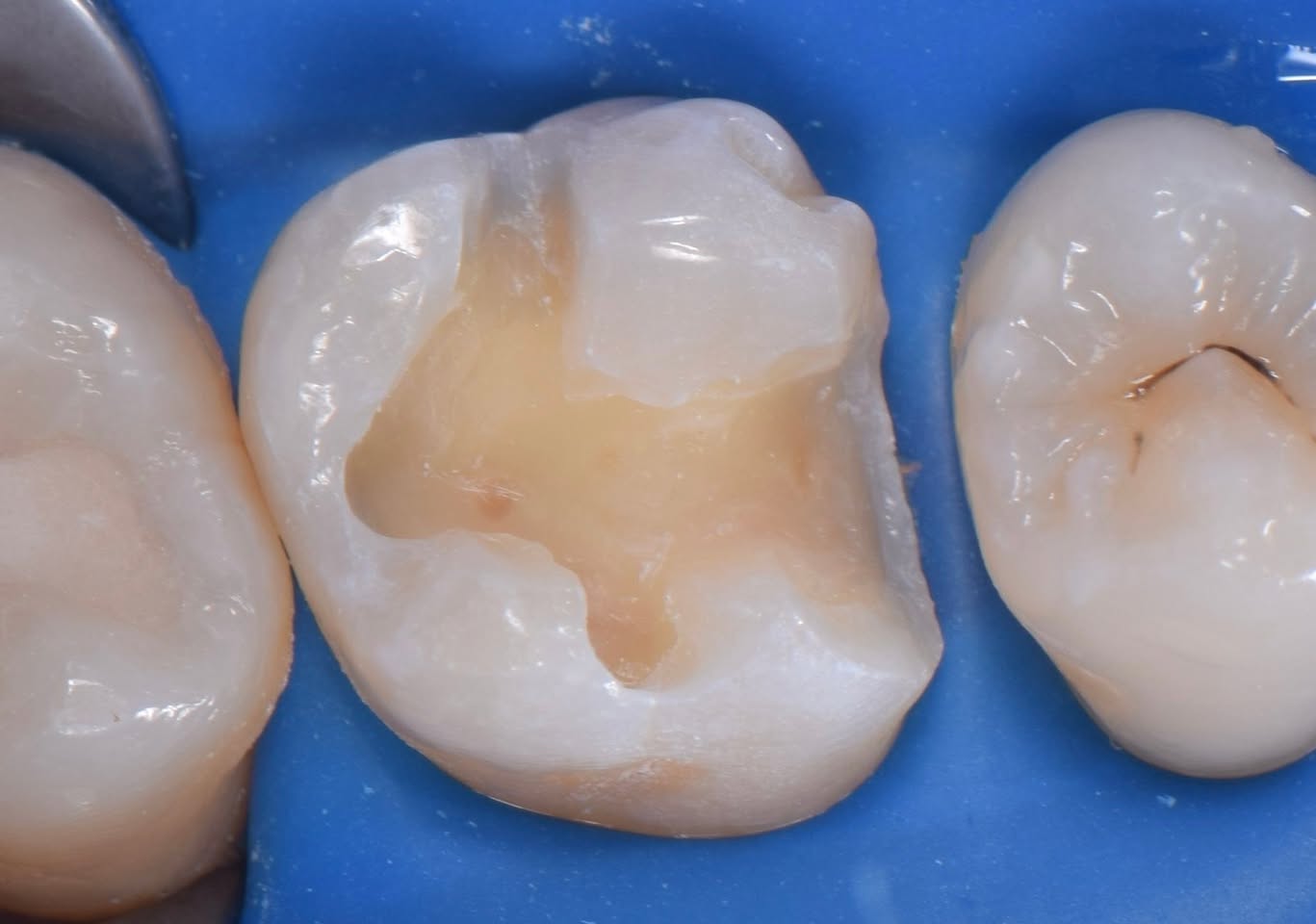
2 Cavity preparation under rubber dam 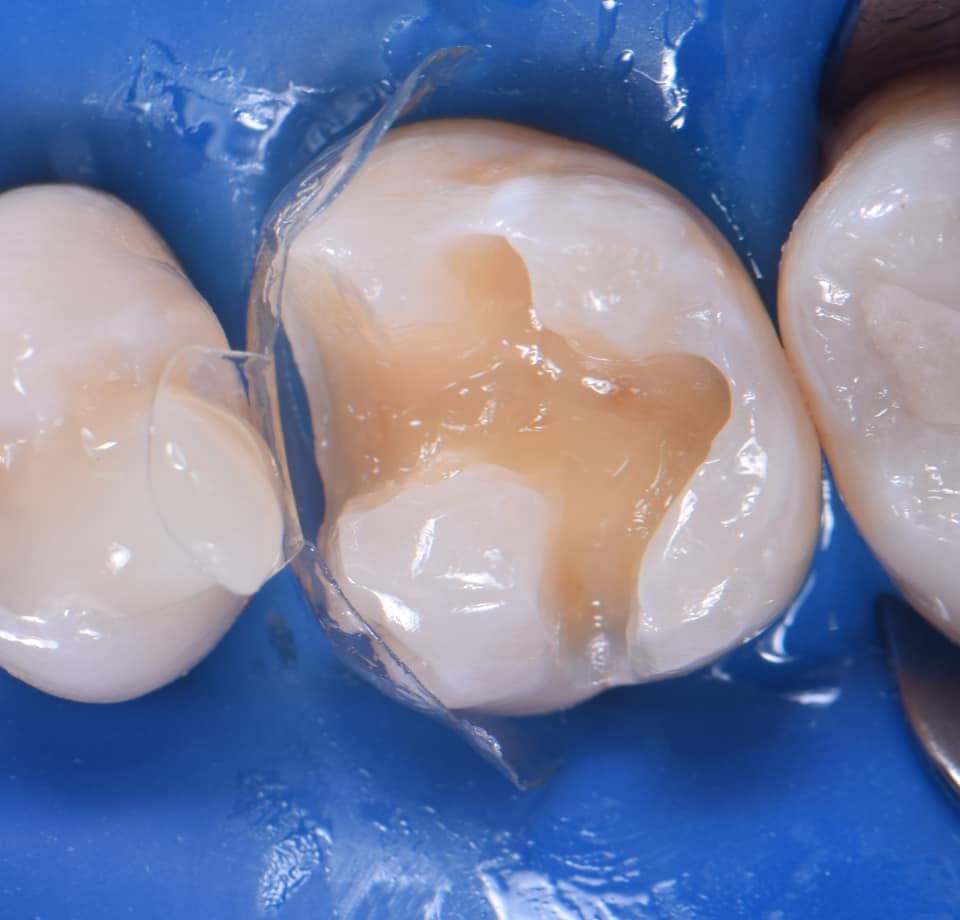
3 Bioclear matrix in place 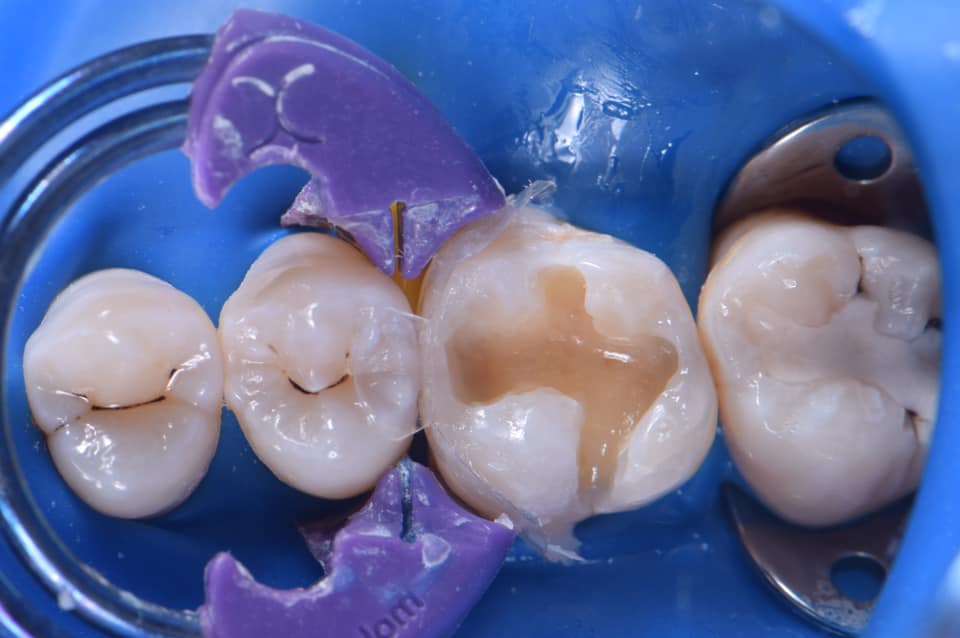
4 Matrix stabilised with wedges and ring 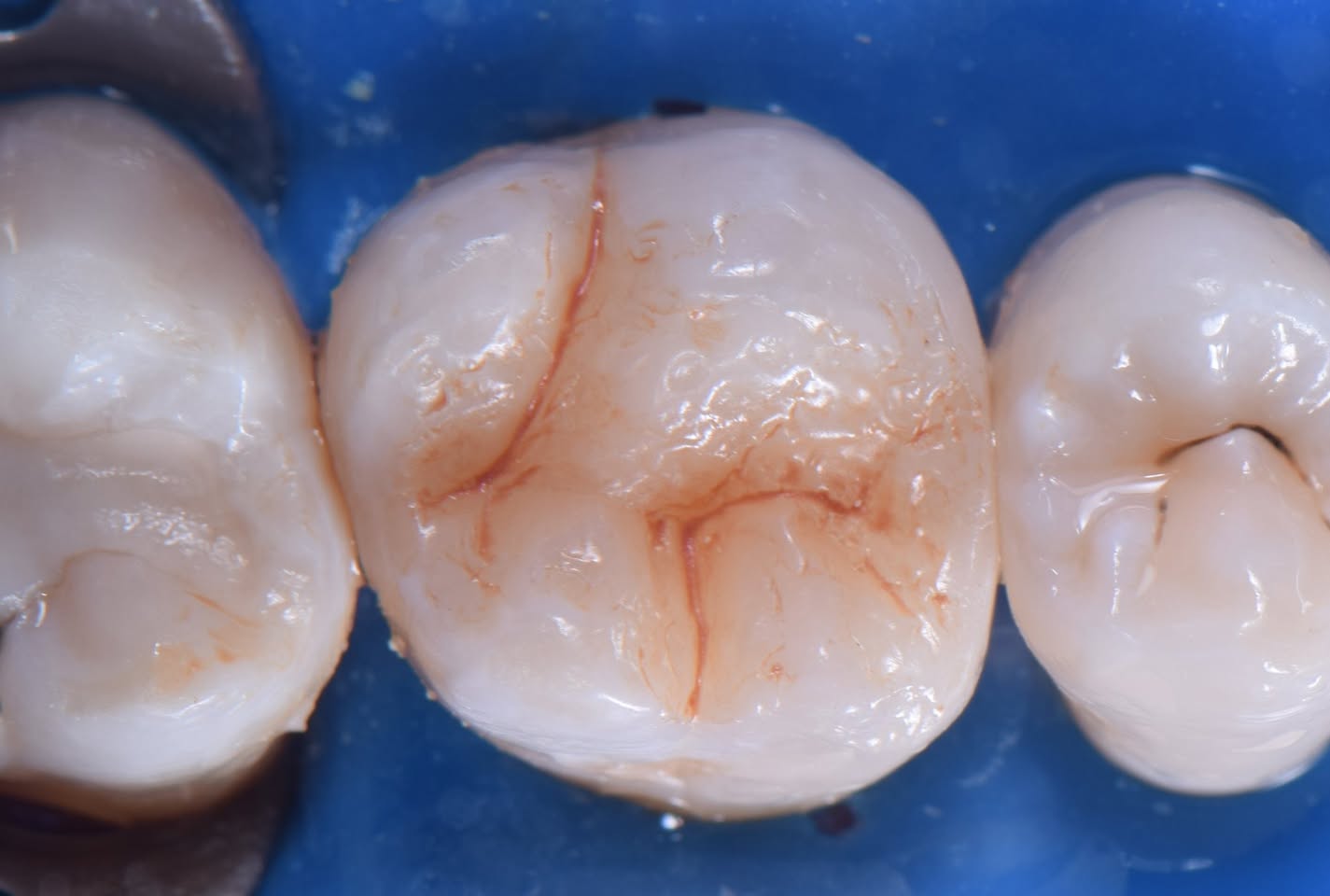
5 Direct composite: Bioclear injection molding with overmolding 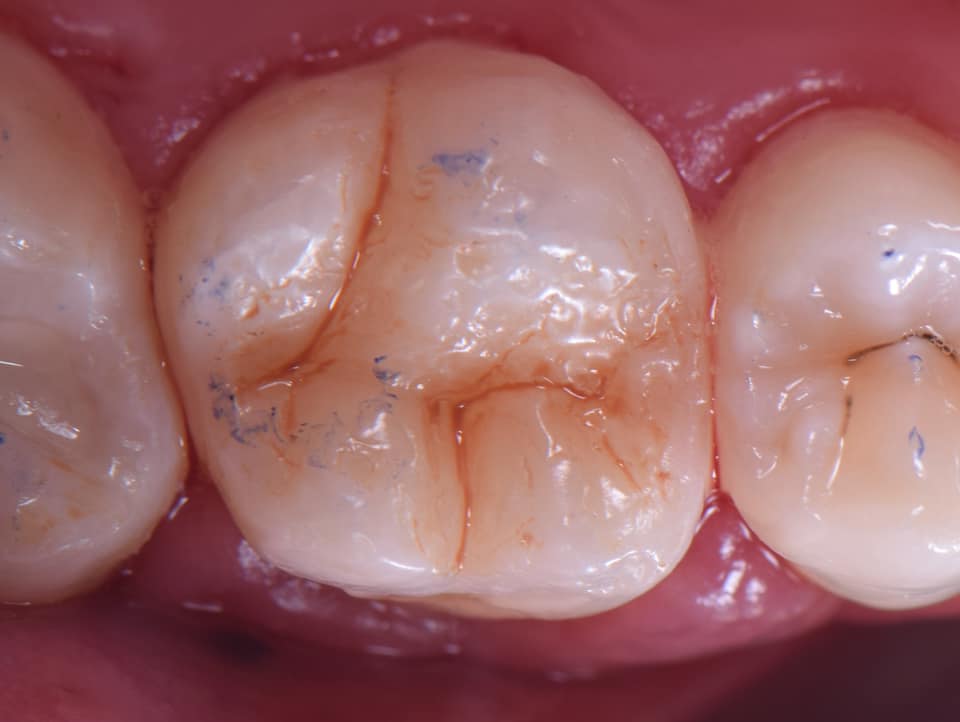
6 Occlusal check 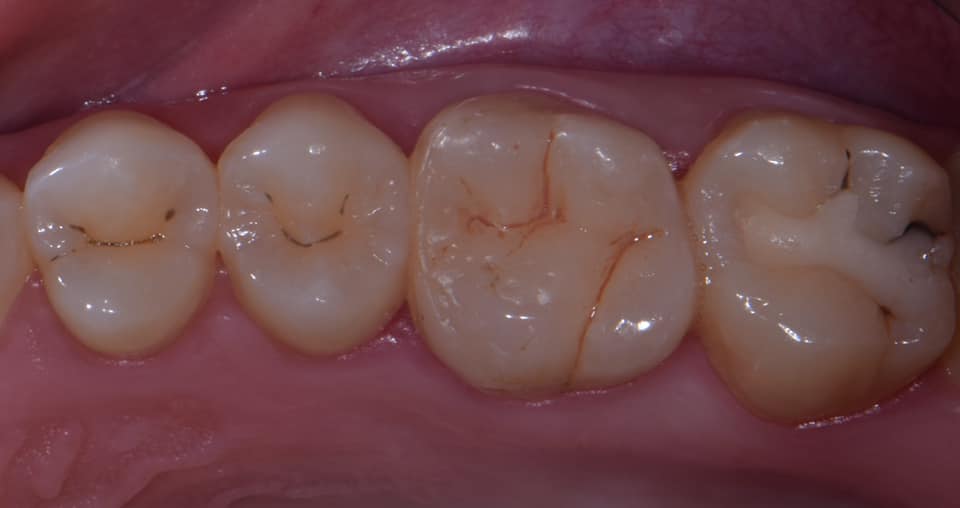
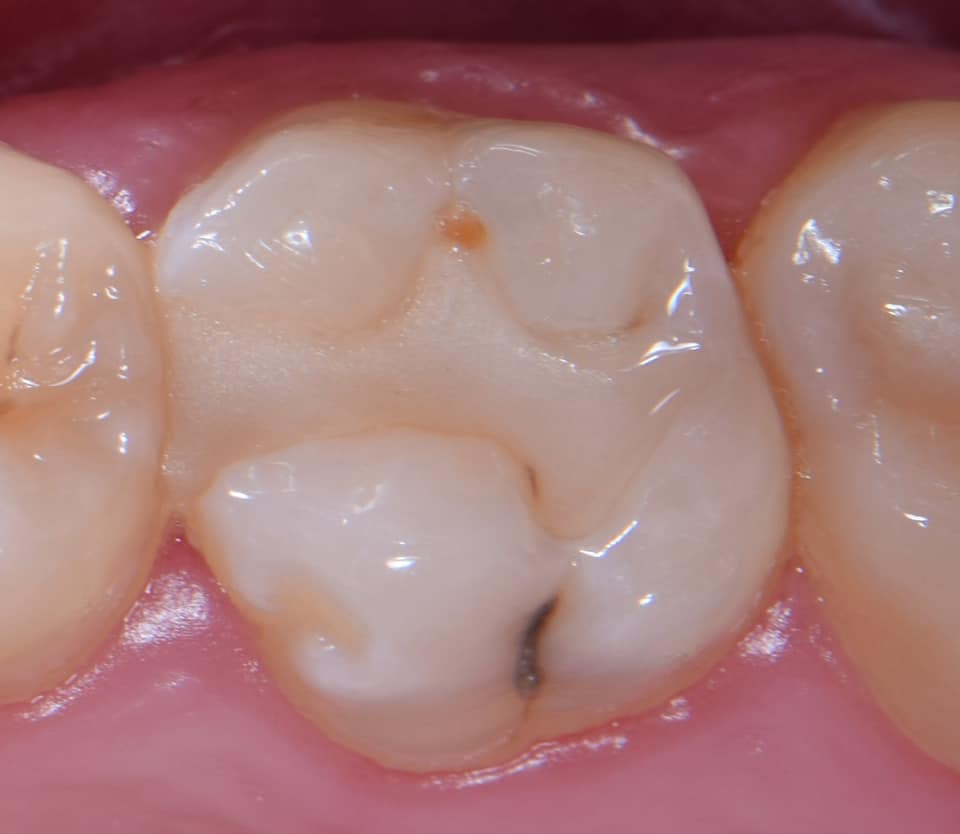
7 3.5-year follow-up 8 10-year recall 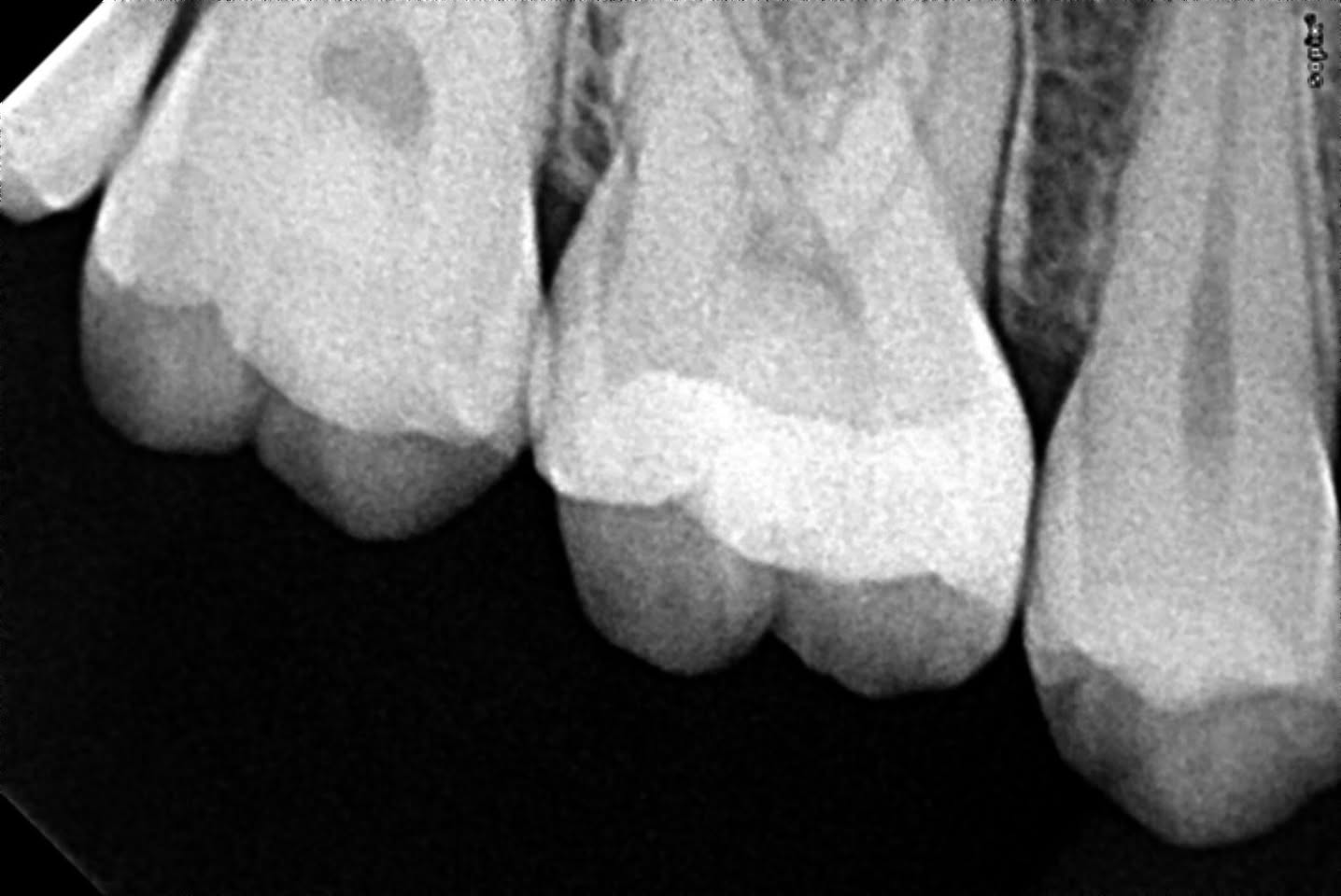
9 10-year recall radiograph
Case summary
Upper molar, large class II cavity. Patient with a high caries index.
Treatment
- Rubber dam isolation.
- Universal adhesive.
- Direct composite with the Bioclear injection-molding technique, followed by overmolding of the occlusal anatomy.
Why it lasted
Margins were extended slightly more buccally and lingually to engage more enamel. In a high-caries-risk patient, bonding to enamel gives a more caries-resistant restoration. This was already visible at the 3.5-year follow-up.
10-year recall
- Restoration intact and functioning.
- No debonding, no notable problems.
- Radiographic recall included.
Take-home message
Long-term follow-up is a form of evidence every clinician can collect. A well-bonded, well-isolated direct restoration can perform for a decade even in a high-risk patient.
Book a Consultation
Leave your details and our team will contact you to arrange your visit — whether you live in Egypt or are travelling in for treatment.