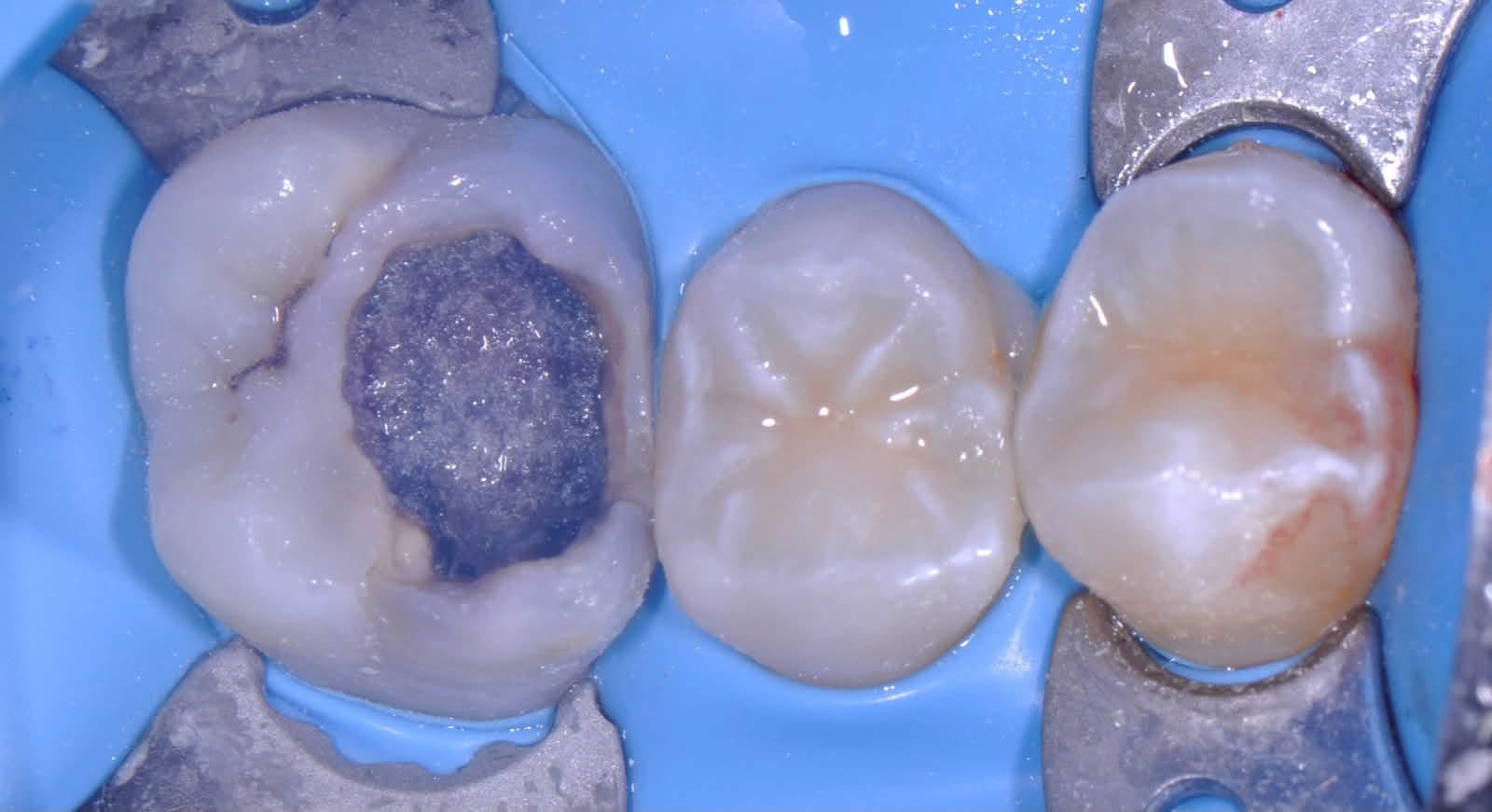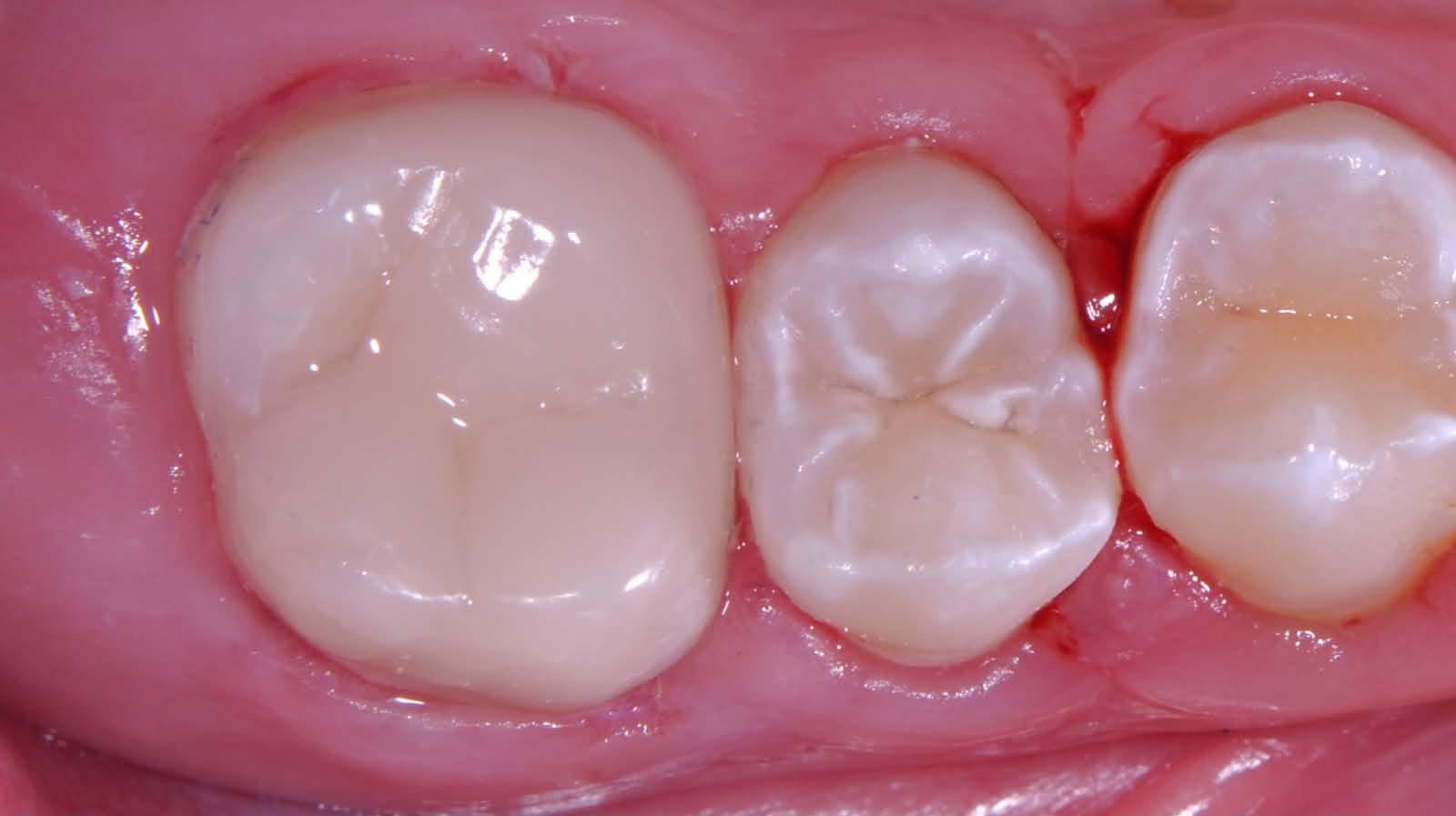
My own tooth: 25 years of keeping it instead of extracting and placing an implant
An upper premolar in my own mouth: root canal treated in 2001, then a fractured filling, then orthodontic extrusion and a new crown in 2019. I could have extracted it and placed an implant. I chose to keep it, and it is still working today.
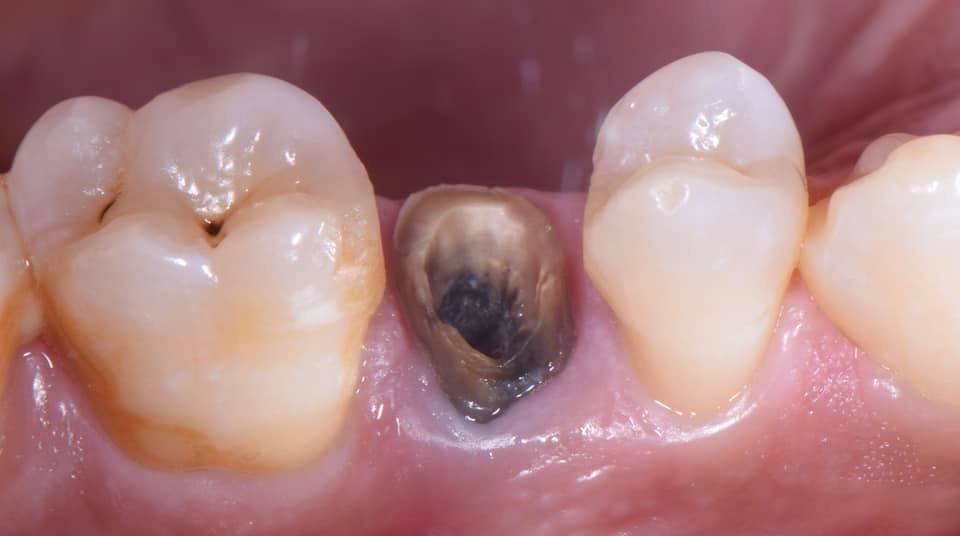
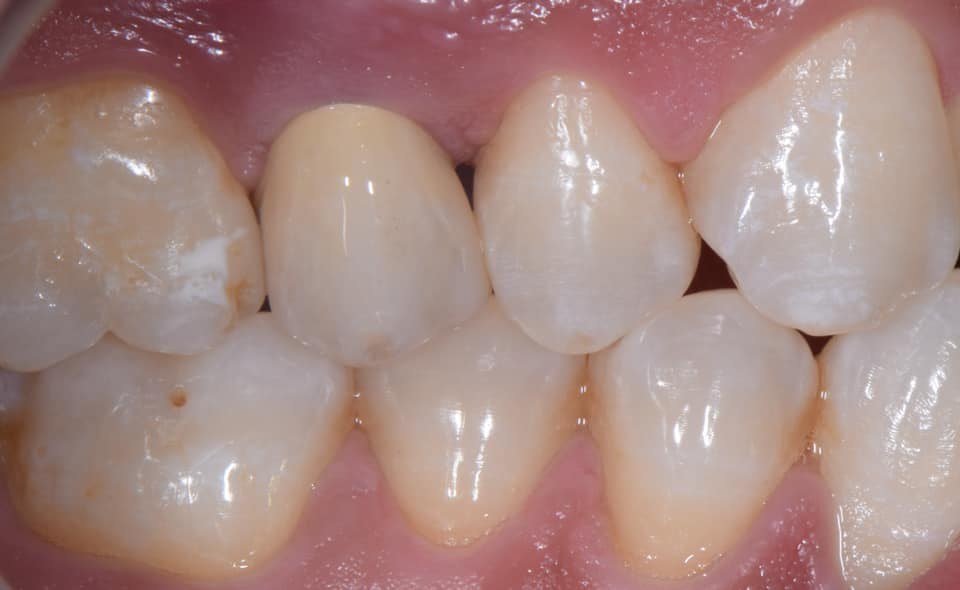
This tooth is in my own mouth
This is not a patient's case. It is my upper right second premolar, and its story with me began in 2001.
A 25-year journey
- 2001: Root canal treatment in Saudi Arabia, restored with an amalgam filling.
- 2007: The filling fractured, so the tooth was rebuilt with a post and core and crowned.
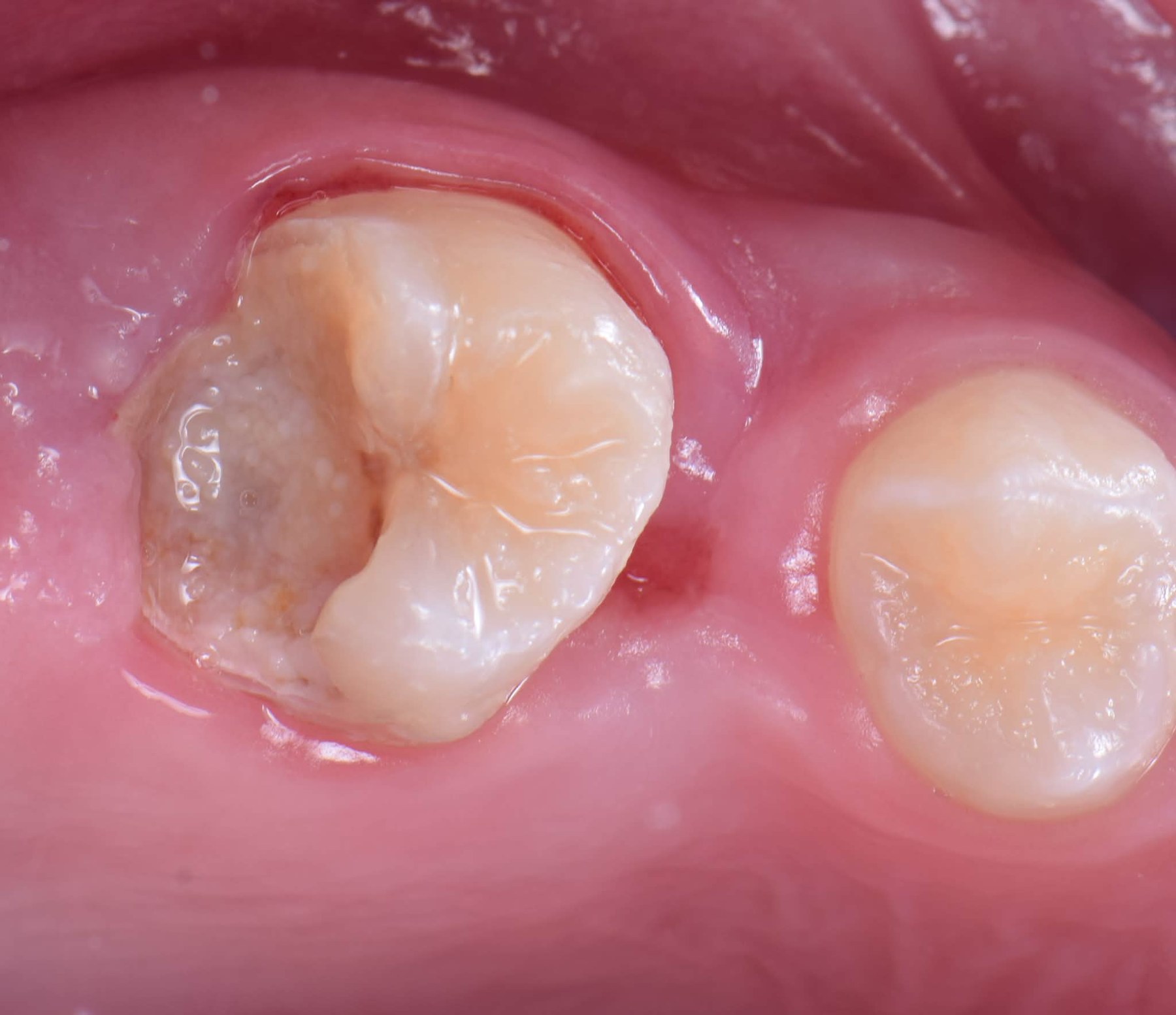
- 2019: After twelve years, the crown came off with its post while I was flossing. There was no caries and no gum inflammation, but not enough tooth structure above the gum to hold a new crown. We brought the root slightly out with orthodontic extrusion to expose enough sound tooth, then prepared it and placed a new crown.
- Today: 25 years after the root canal and 7 years after the last intervention, the tooth is still in place and working.
The question I asked myself
In 2019, extraction and an implant would have been easier. But who can guarantee the implant would have lasted longer, or that it would not have needed its own interventions and maintenance over those years?
Keeping the tooth took roughly the same time an implant would have taken to reach its crown, and cost about the same, if not less.
Why I share this
I am a dentist and I place implants. But when it came to my own tooth, I chose to keep it.
If I chose that for myself, how can I easily accept extraction for a patient just because treatment takes longer or is harder?
An implant is an excellent treatment when it is truly the answer. It is not a better substitute for a natural tooth that still has a real chance to survive.
The question I ask before any extraction is not "Can I extract and place an implant?" but "Have I really exhausted every chance of keeping this tooth?"
Clinical details for dentists
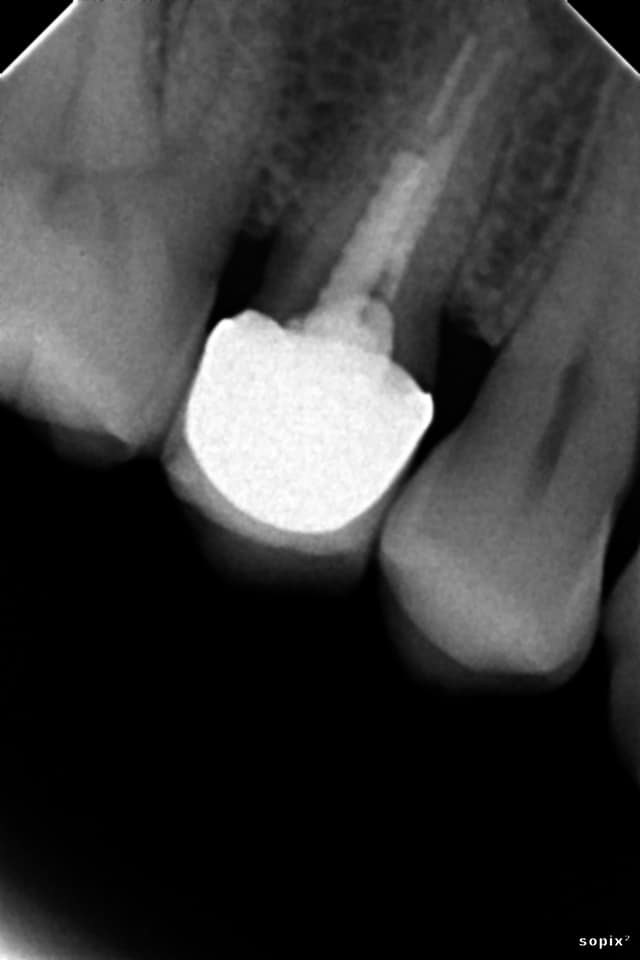
1 2019: radiograph of the 2007 post-retained crown (root canal from 2001) 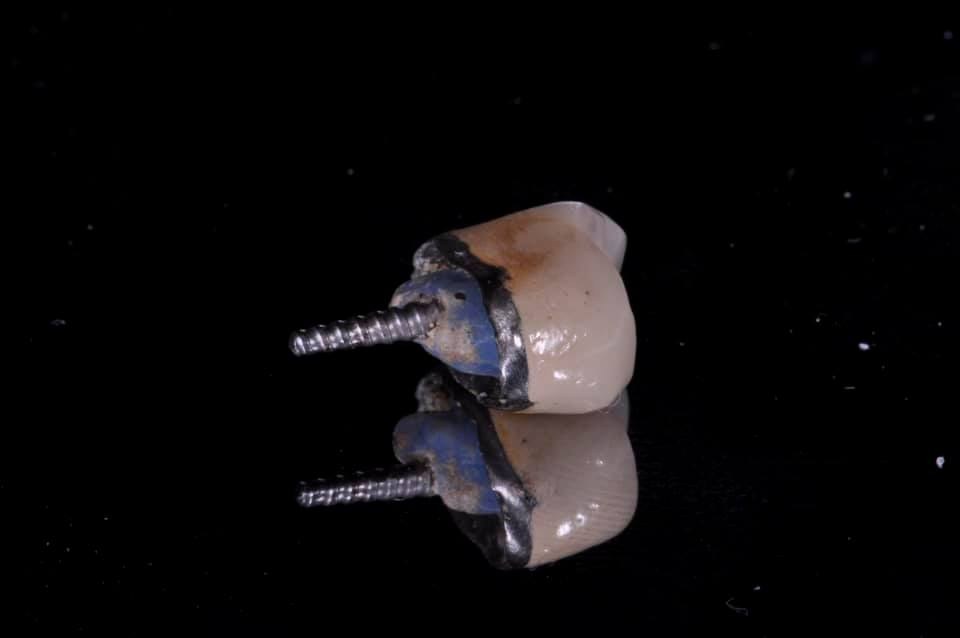
2 The crown came off while flossing: post and crown in one piece 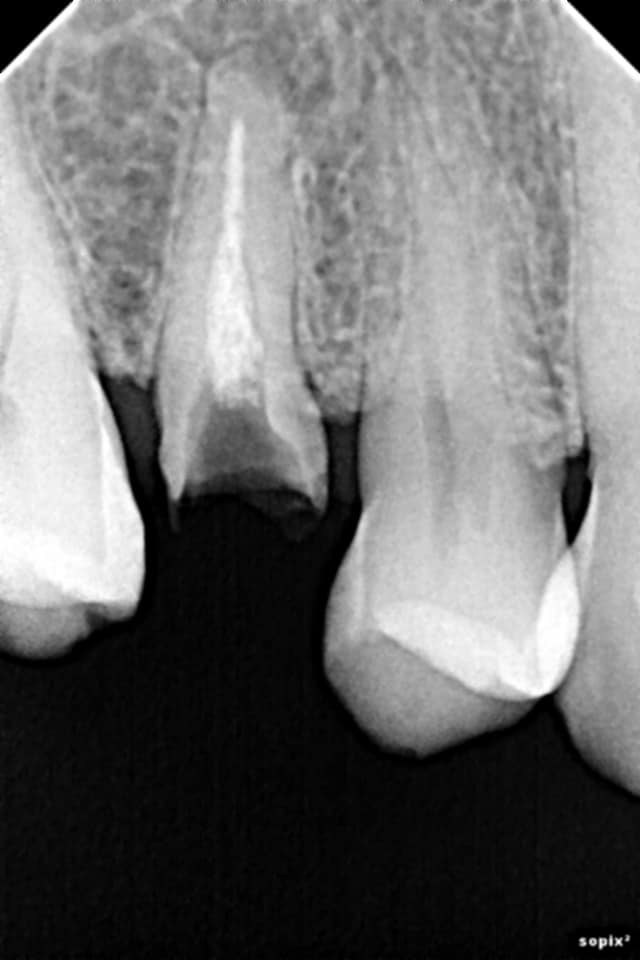
3 Radiograph after crown loss 4 Remaining root: no caries, healthy soft tissue, but not enough ferrule 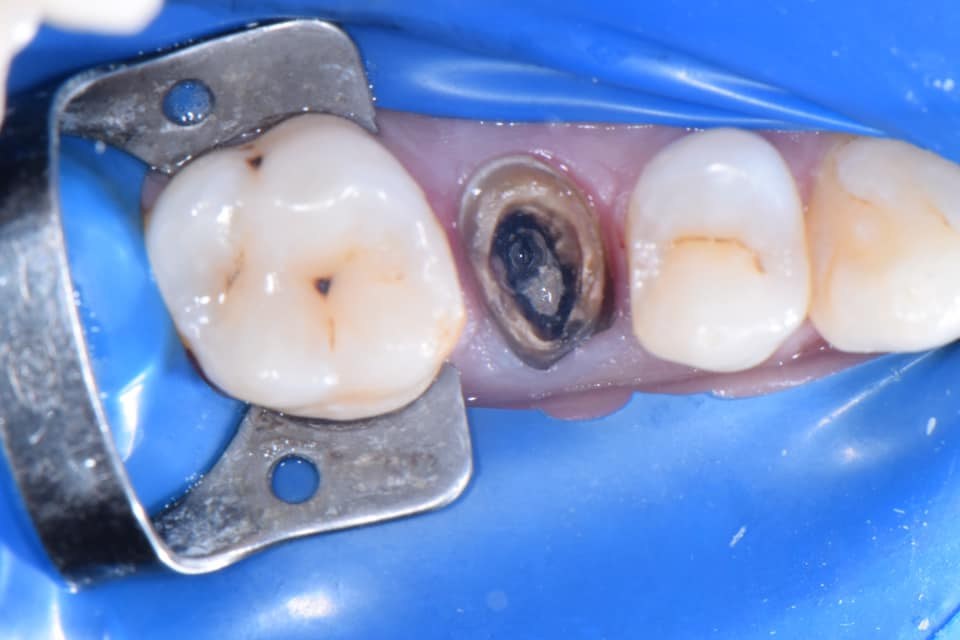
5 Rubber dam isolation 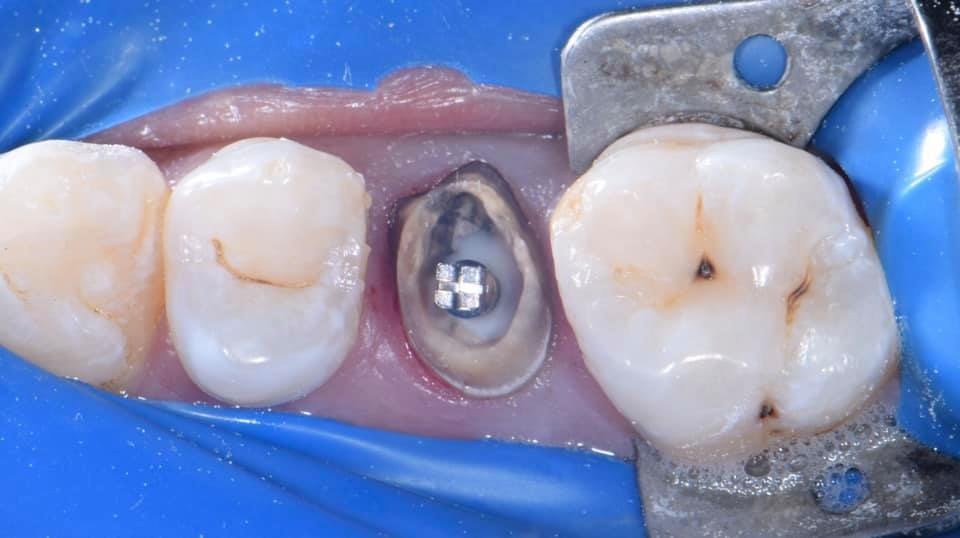
6 Post placed to carry the extrusion attachment 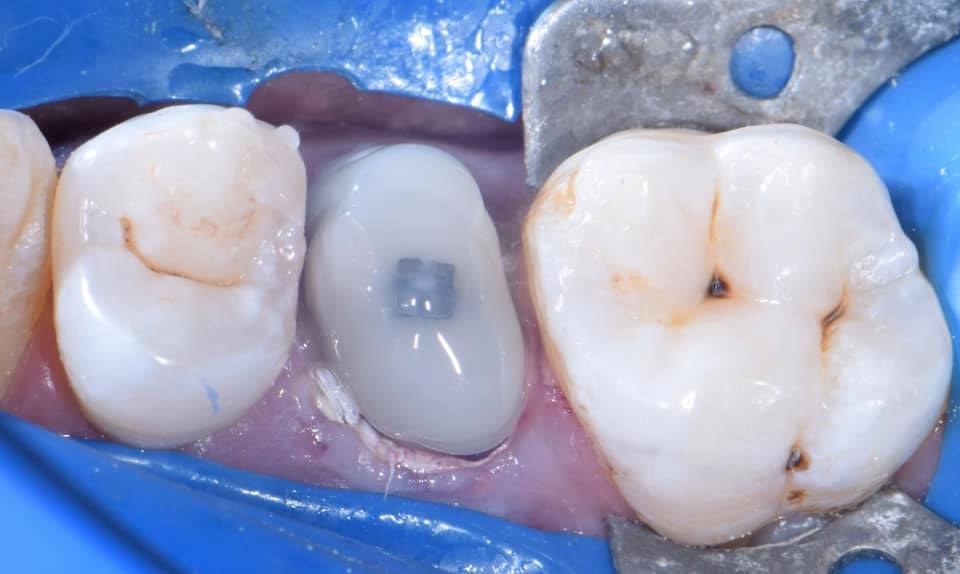
7 Composite build-up over the post 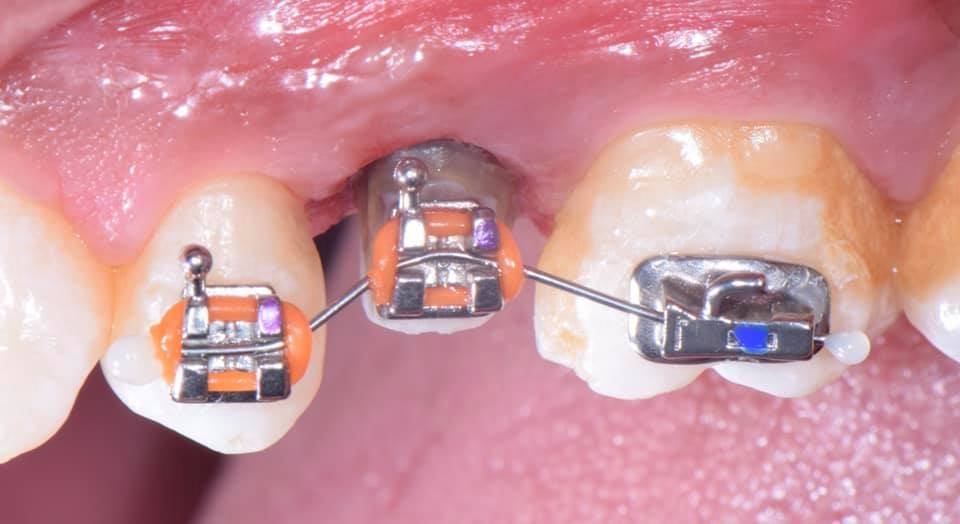
8 Orthodontic extrusion with brackets 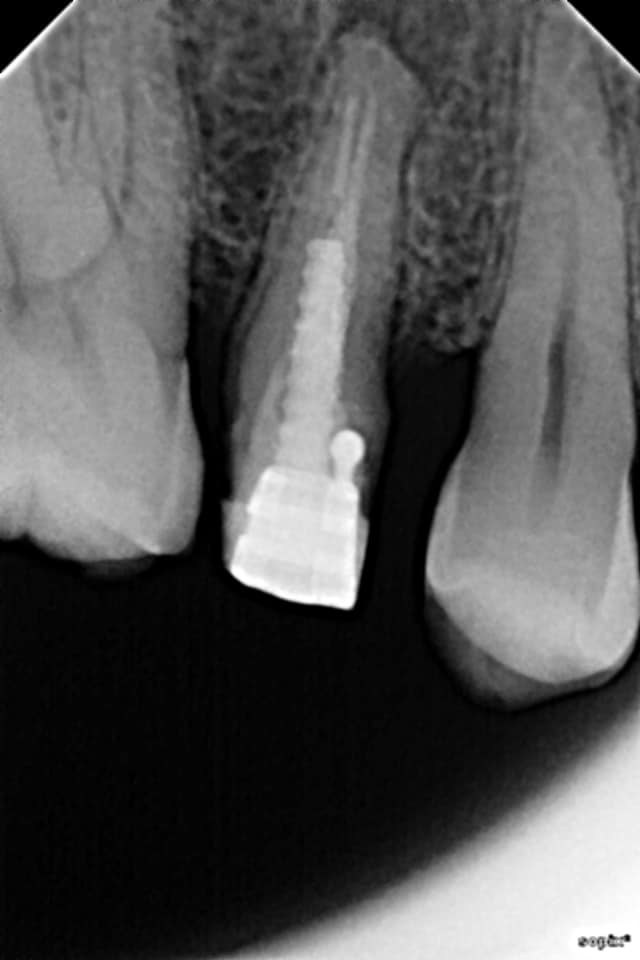
9 Radiograph during extrusion 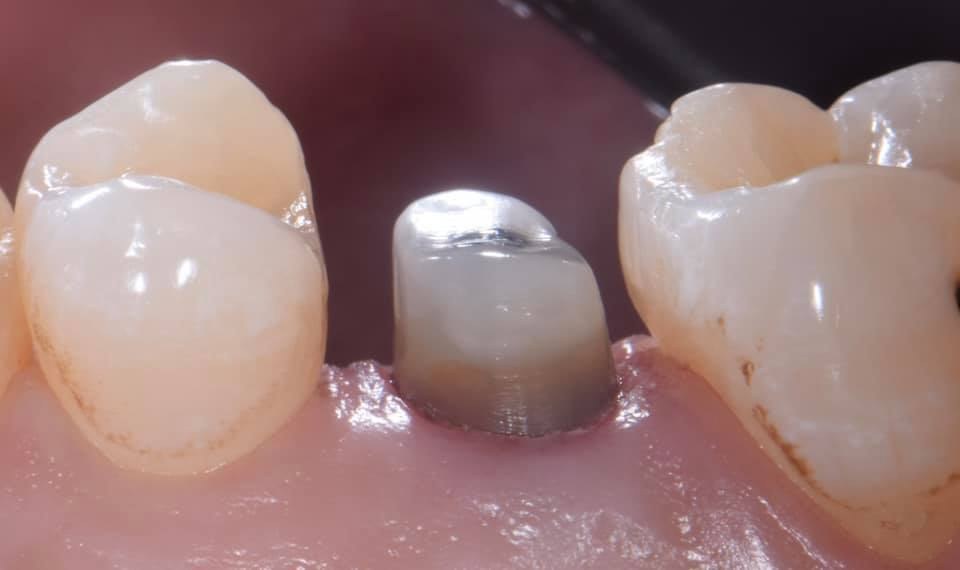
10 About 3 months later: ferrule gained 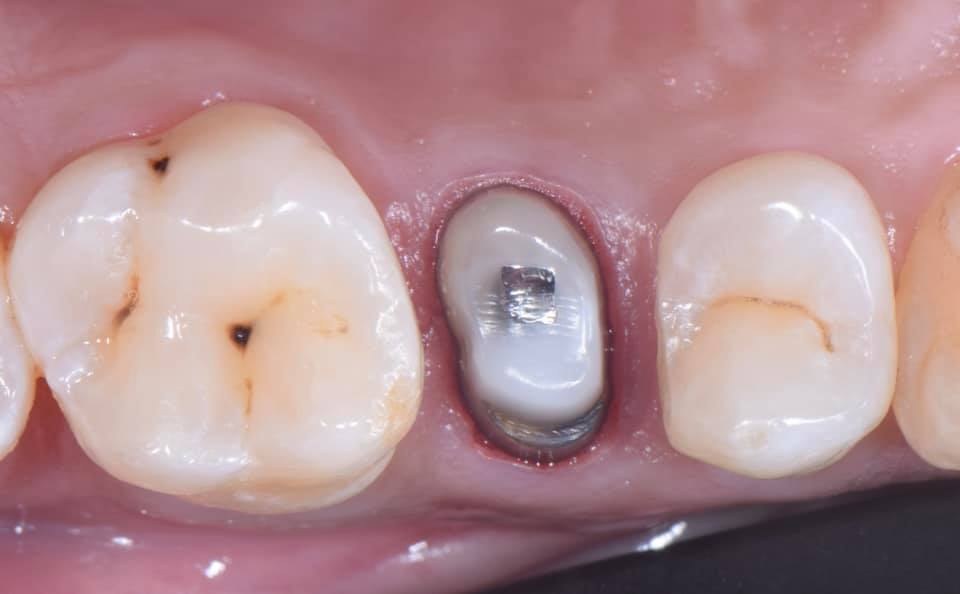
11 Vertical preparation 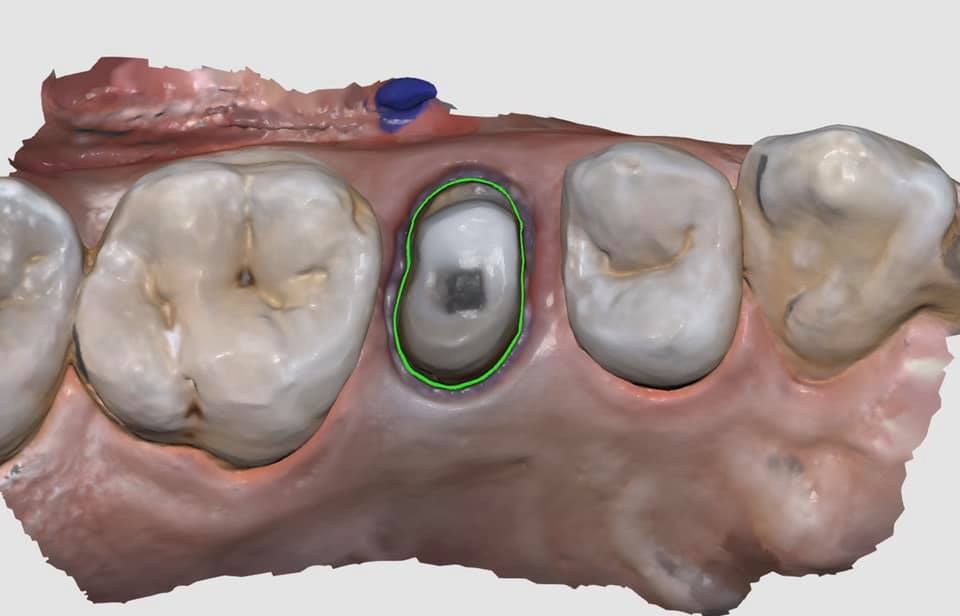
12 Digital impression (a conventional impression was also taken) 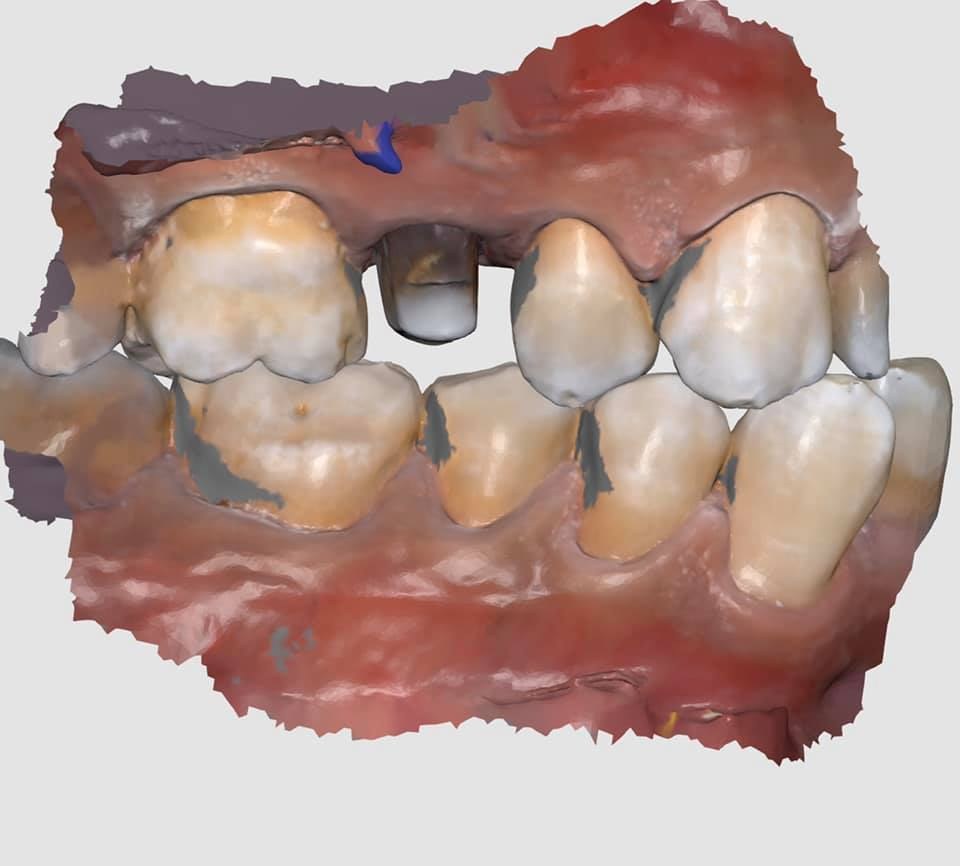
13 Digital scan with the bite registration 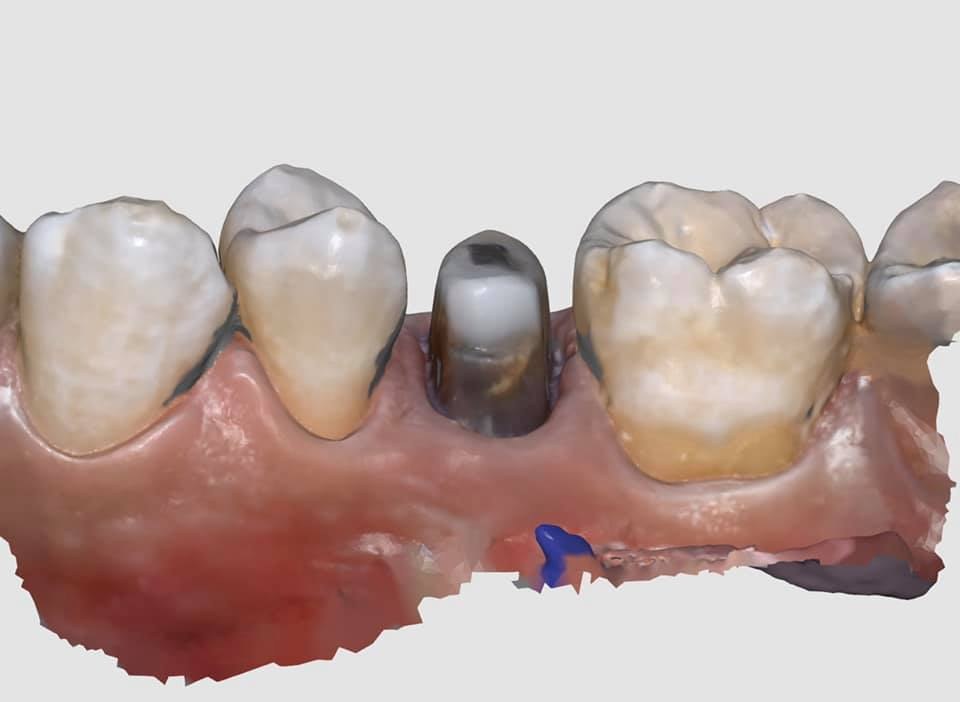
14 Digital scan: buccal view of the preparation 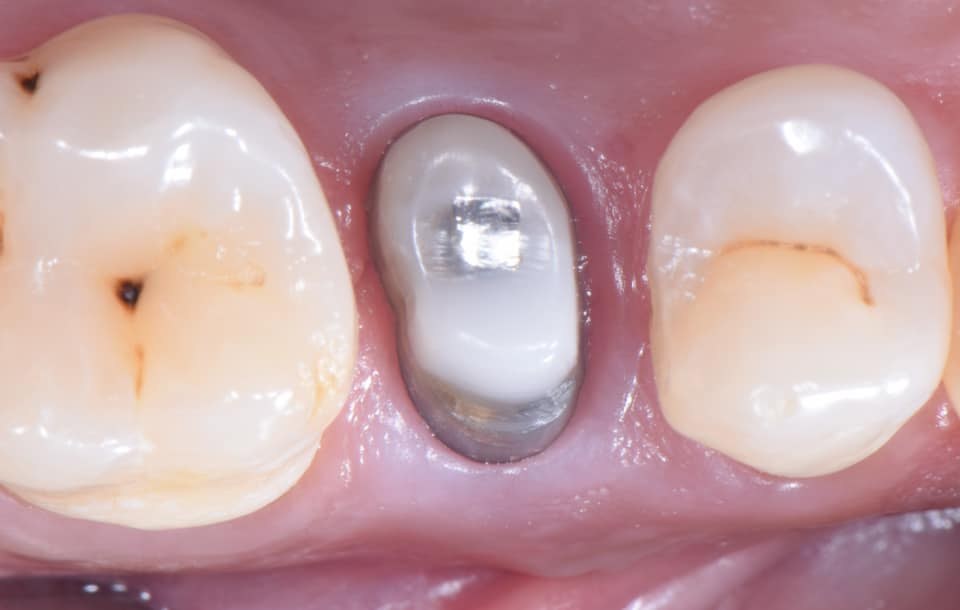
15 Soft tissue around the vertical preparation before cementation 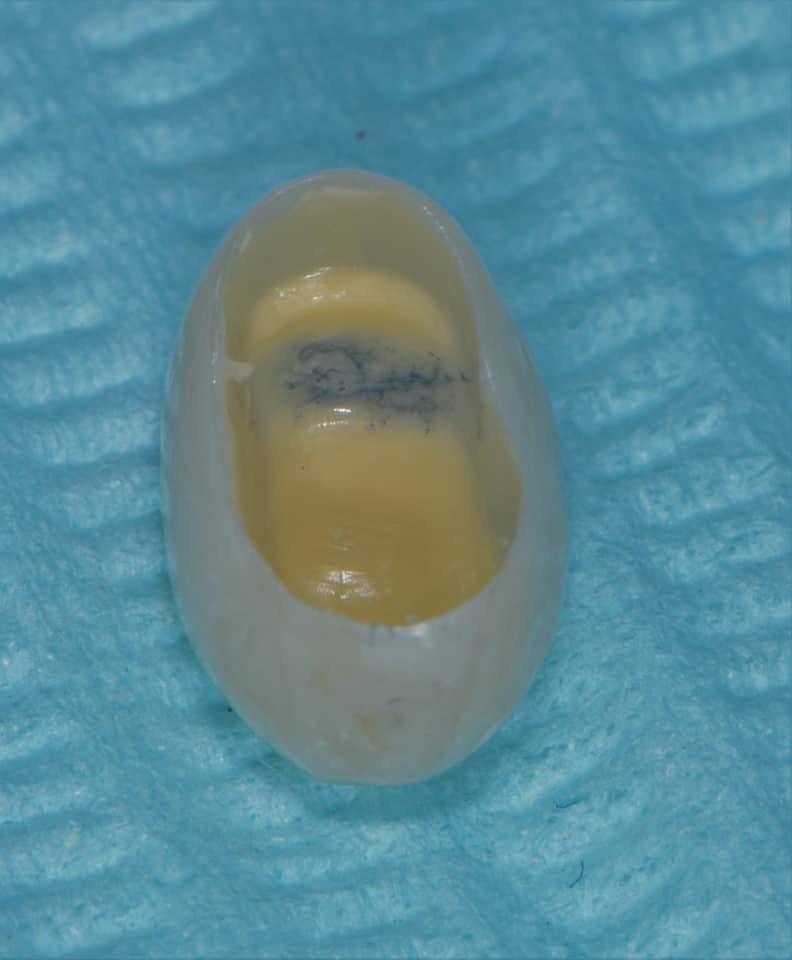
16 Fit Checker inside the crown to verify the internal fit 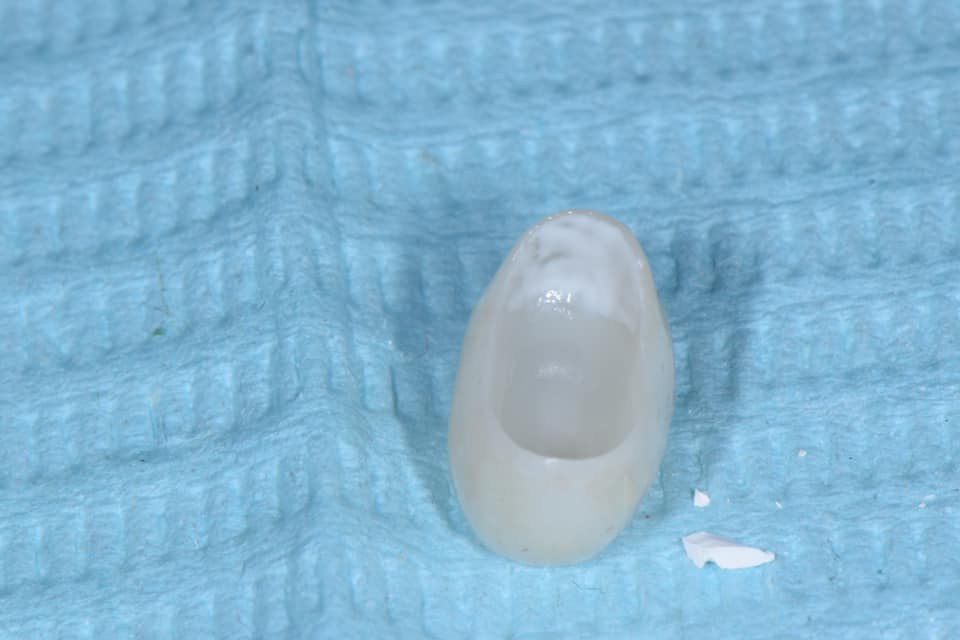
17 Crown custom-stained from the inside to mask the dark root 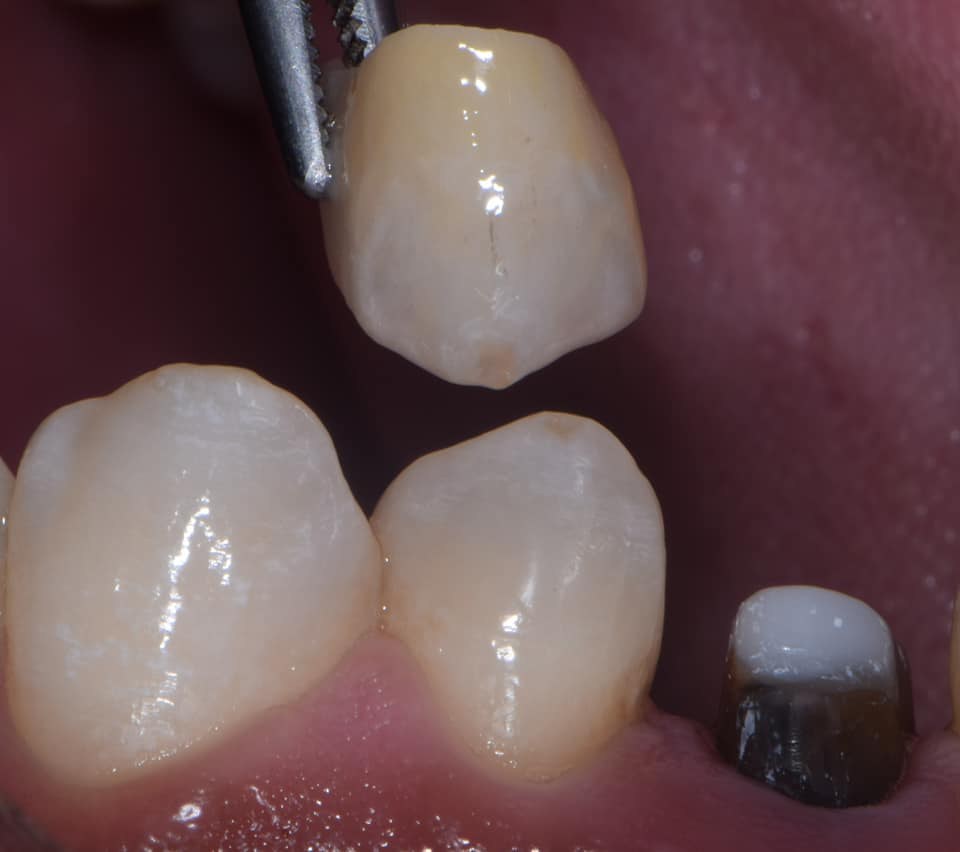
18 Crown try-in 19 Crown delivered 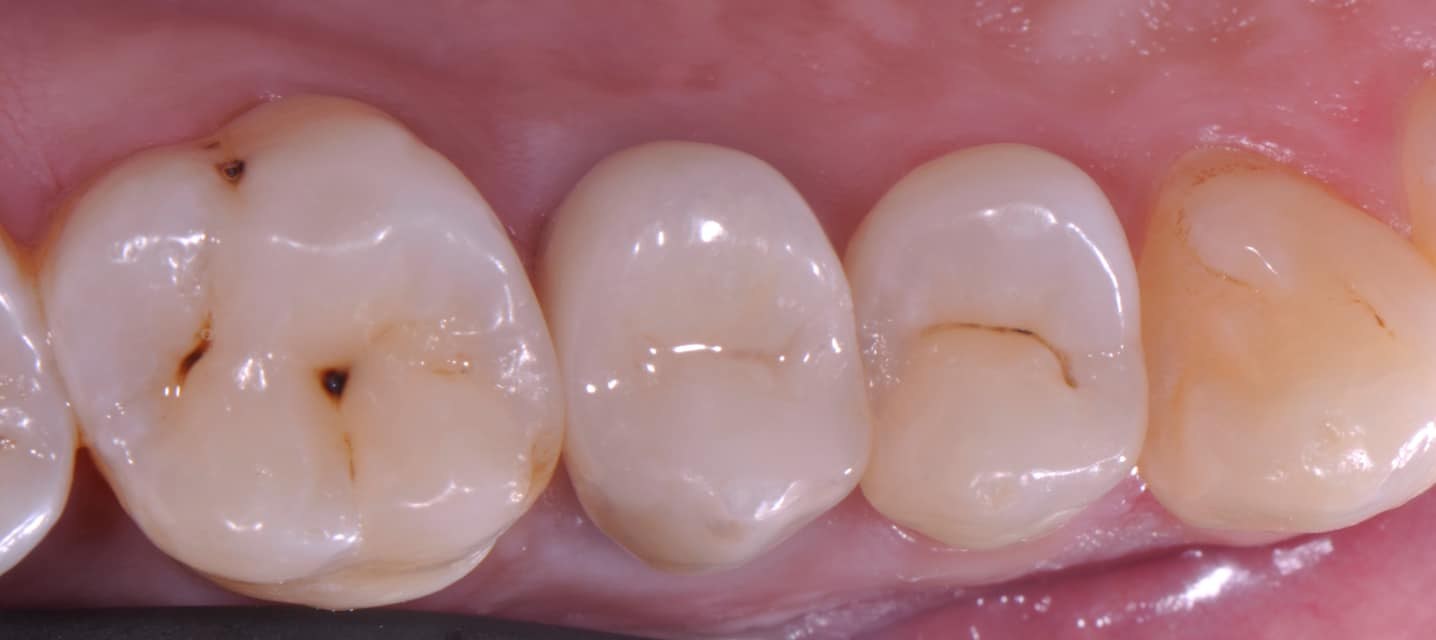
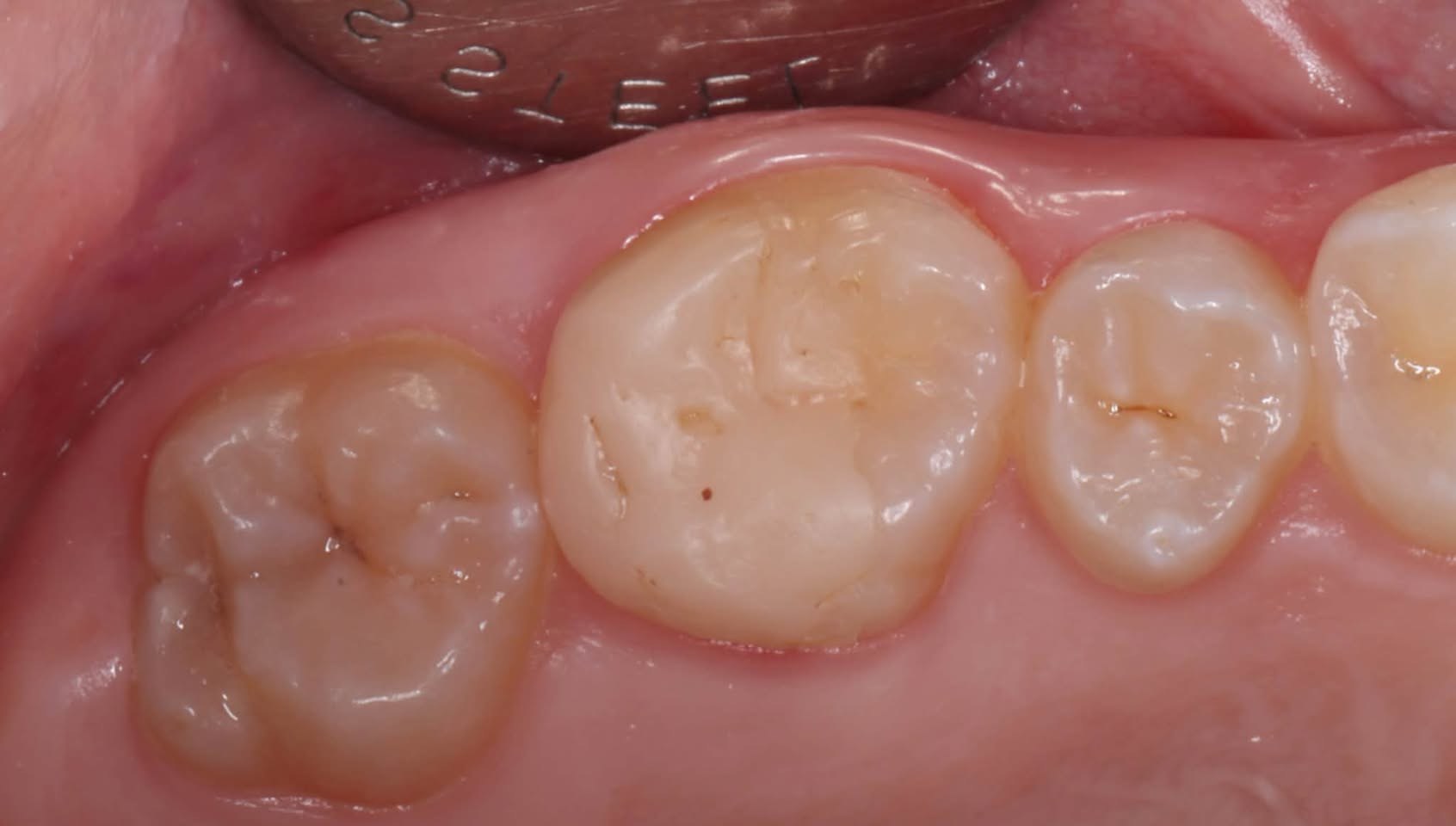
20 Recall 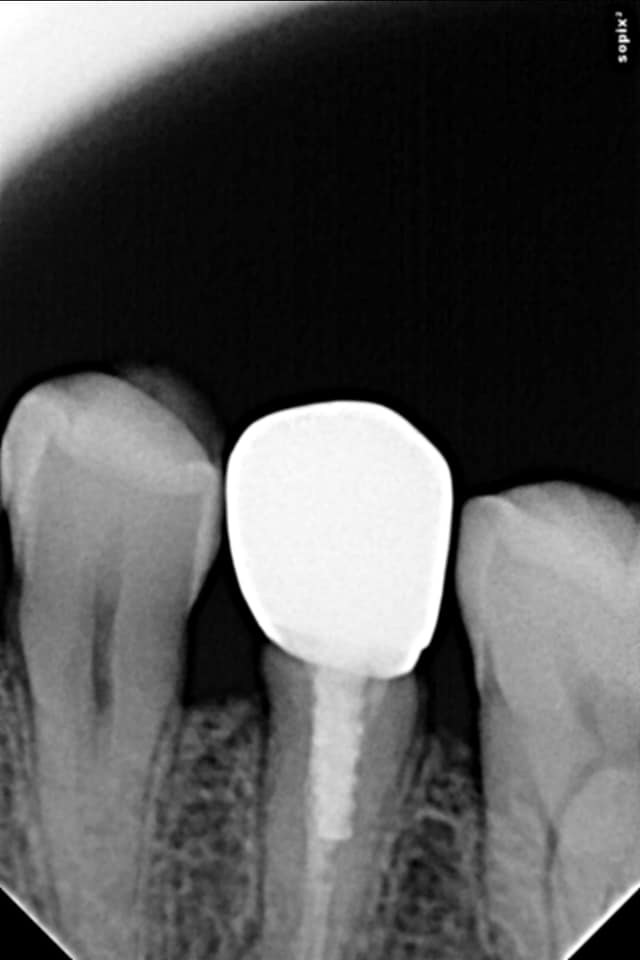
21 Recall radiograph
Case summary
Tooth: upper right second premolar (15). Patient: the author.
Timeline
- 2001: Root canal treatment (Saudi Arabia); amalgam restoration.
- 2007: Amalgam fracture; post and core with a full-coverage crown.
- 2019: The crown debonded together with its post while flossing. No caries, no soft-tissue inflammation, but insufficient ferrule. Decision: orthodontic extrusion instead of extraction.
- Extrusion: a post was placed and built up to carry the bracket, and the root was extruded orthodontically. Good ferrule was obtained after about 3 months.
- Restoration: vertical preparation; conventional and digital impressions. The root is very dark, so the technician custom-stained the crown from the inside; the shade match was excellent, with minor internal adjustment needed to seat the crown.
- Recall: clinical and radiographic recall; the tooth is still in function today.
- 2026: 25 years post-endodontic treatment, 7 years after the last intervention; tooth in function.
Clinical reasoning
- Orthodontic extrusion moves sound root structure coronally, re-establishing a ferrule and a supracrestal tissue attachment without crown lengthening surgery and without sacrificing support of the neighbouring teeth.
- Vertical preparation allows the margin to be placed and adapted to the tissue level after extrusion, preserving tooth structure.
- Total treatment time and cost were comparable to extraction, implant placement and implant crown.
Lesson learned
In hindsight the post was not needed: the ferrule after extrusion was enough. The post also ended up fully above the bone level during treatment; some relapse brought it back to a good position.
Team
Preparation and orthodontics: Dr. Amr Saraya. Crown delivery: Dr. Amr Fathy. With Dr. Abdelhalim Faris. Recall photos: Dr. Yasmin El-Dib.
Take-home message
Implants are excellent when indicated. A restorable natural tooth deserves every reasonable attempt at preservation first.
Book a Consultation
Leave your details and our team will contact you to arrange your visit — whether you live in Egypt or are travelling in for treatment.